Animal cruelty remains a pressing issue in the United States, invoking passionate debates across social, legal, and ethical spheres. A key question arises: Is animal cruelty uniformly classified as a felony nationwide? The answer, as is often the case with matters intertwined in regional legislations, is complex. This analysis explores the varying statutes and penalties associated with animal cruelty across different states, revealing a patchwork of laws that both protect and endanger animal welfare.
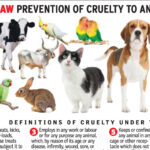
First, it is essential to define what constitutes animal cruelty. Broadly, animal cruelty encompasses actions that cause unnecessary suffering or harm to animals. These can include neglect, physical abuse, and exploitation, among other forms. However, the legal definitions and the severity of penalties for such actions vary significantly across state lines. Understanding these divergences is crucial in assessing the overall landscape of animal protection laws in the U.S.
At the federal level, there exists the Animal Welfare Act (AWA), which provides a basic framework for the protection of certain animals in research, commerce, and exhibition settings. Nonetheless, the AWA does not cover all animals, nor does it enforce uniform penalties for acts of cruelty. Consequently, state laws play a pivotal role in defining and addressing animal cruelty.
Most states classify animal cruelty into two categories: misdemeanor and felony offenses. Typically, misdemeanors involve less severe abuse, such as neglect or abandonment, while felonies may encompass severe abuse, torture, or death of an animal. A few states have taken significant steps to elevate animal cruelty to felony status across the board, reflecting a more profound commitment to animal rights.
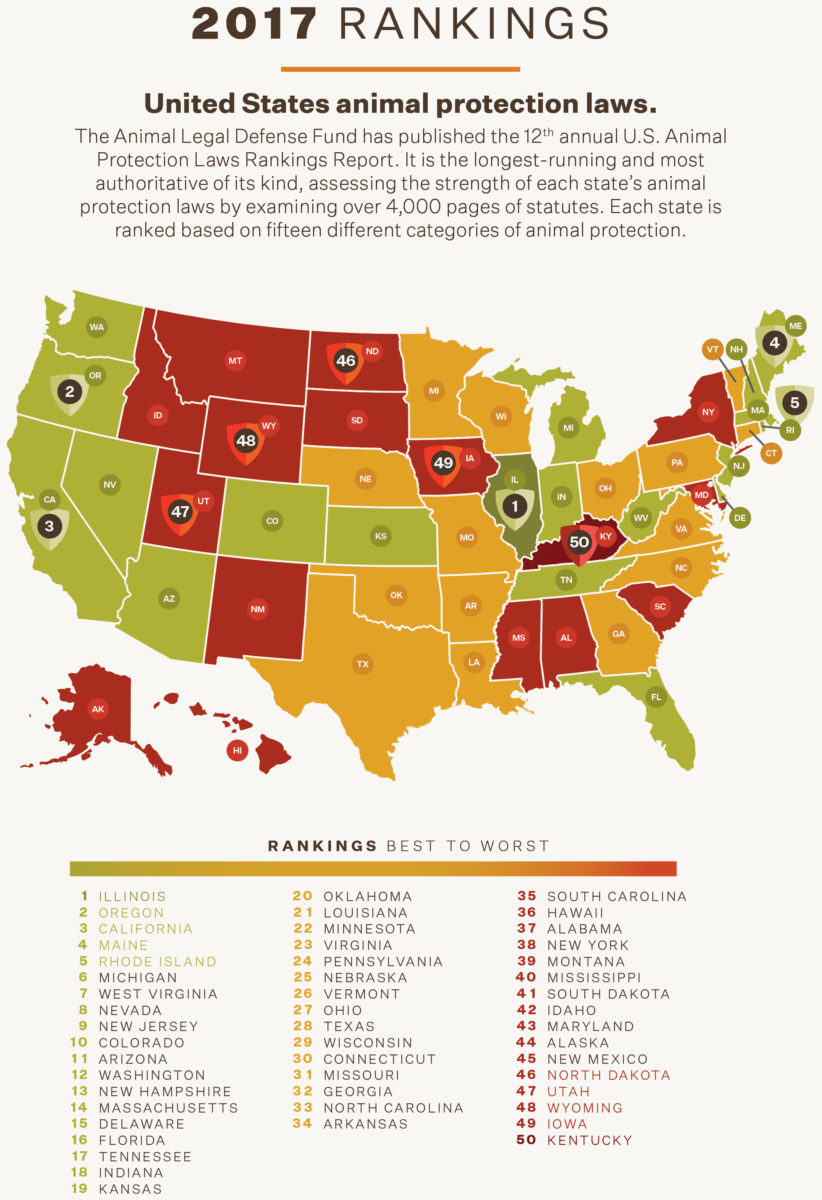
States like Illinois, California, and Michigan exemplify regions where animal cruelty is categorized as a felony. In Illinois, for example, the Animal Cruelty Law stipulates that knowingly causing “the death or injury of an animal” can result in a felony charge punishable by up to three years in prison. California similarly imposes tough penalties for acts of cruelty, including felony charges for egregious instances. These states demonstrate a proactive stance, imposing stringent consequences to deter potential offenders and promote animal welfare.
Conversely, in states such as Idaho and North Dakota, animal cruelty may be treated as a misdemeanor, even for egregious acts. In Idaho, specific forms of animal cruelty are classified as misdemeanors, suggesting a lesser degree of societal condemnation. Such legislation illustrates how cultural attitudes toward animals can impact legal frameworks, leading to inconsistencies in protection. In these states, the lack of robust felony laws can exacerbate situations of abuse, as perpetrators may be less deterred by minimal penalties.
Legal precedents also play a vital role in shaping state regulations. In some jurisdictions, landmark cases have propelled a shift in how animal cruelty is prosecuted. Advocates argue that when courts acknowledge the sentience of animals, it fosters an environment where more robust legal protections can develop, potentially leading to the classification of animal cruelty as a felony in previously lax states.
However, the legislative landscape does not uniformly favor animal protection. In many states, loopholes exist within the laws that allow for defenses like “accidental harm” or “lack of intent,” which complicates prosecutorial efforts. These nuances weaken the effectiveness of laws designed to protect animals, creating scenarios where abusers can evade significant consequences for harmful actions.
Another dimension of this issue is the impact of public awareness and activism. In states where advocacy groups mobilize campaigns to raise awareness about animal rights, there has been observable progress in enacting stricter animal welfare laws. For instance, public outrage over high-profile cases of animal cruelty has prompted legislative reviews and reform proposals in various jurisdictions. Over time, increased public consciousness about animal suffering translates into more robust protective legislation.
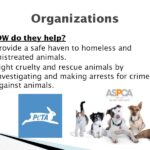
Furthermore, the presence, or lack thereof, of animal control organizations can tangibly influence the enforcement of cruelty laws. In states with well-funded organizations and active community involvement, there is typically a more concerted effort to pursue animal cruelty cases. Conversely, underfunded or poorly organized states may struggle to address cruelty adequately, leaving many animals vulnerable. This discrepancy highlights systemic issues within animal welfare that go beyond mere law enforcement.
Anecdotal evidence suggests that education plays an equally critical role in tackling animal cruelty. States with educational programs focusing on responsible pet ownership and animal welfare often witness a decrease in reported cases of cruelty. Raising awareness about the responsibilities of pet guardianship cultivates empathy toward animals, fostering a society that values their welfare and is committed to their protection.
As we analyze the complex tapestry of animal cruelty laws across the United States, it becomes evident that while some states have made commendable strides toward establishing robust felony classifications, many others lag painfully behind. The fight against animal cruelty amalgamates legal, cultural, and educational components. The urgency of addressing this disjointed legal landscape cannot be overstated, as it holds direct implications for the lives of countless animals across the nation. Success in this endeavor requires a collaborative effort that bridges legislative gaps, fosters public education, and enhances community engagement.
In conclusion, while some states fulfill the ideal by categorizing animal cruelty as a felony, many others do not, creating a significant disparity in animal welfare protections. The evolution of animal rights legislation and enforcement will require diligence, advocacy, and a collective commitment to change. As awareness grows and societal attitudes evolve, the hope remains that cruelty laws will soon reflect a unified stance against the mistreatment of animals, ensuring their safety and rights across the entirety of the United States.