The modern consumer is astute, navigating through a labyrinth of choices in an era marked by heightened awareness of ethical considerations. Beyond the glossy packaging and clever marketing lies a crucial question: does this product embody a commitment to animal welfare? Recognizing cruelty-free products is an essential skill, akin to distinguishing a rose among thorns. Here, we shall illuminate the path towards smart consumerism, revealing techniques to unveil whether a product is genuinely sanctified from animal cruelty.
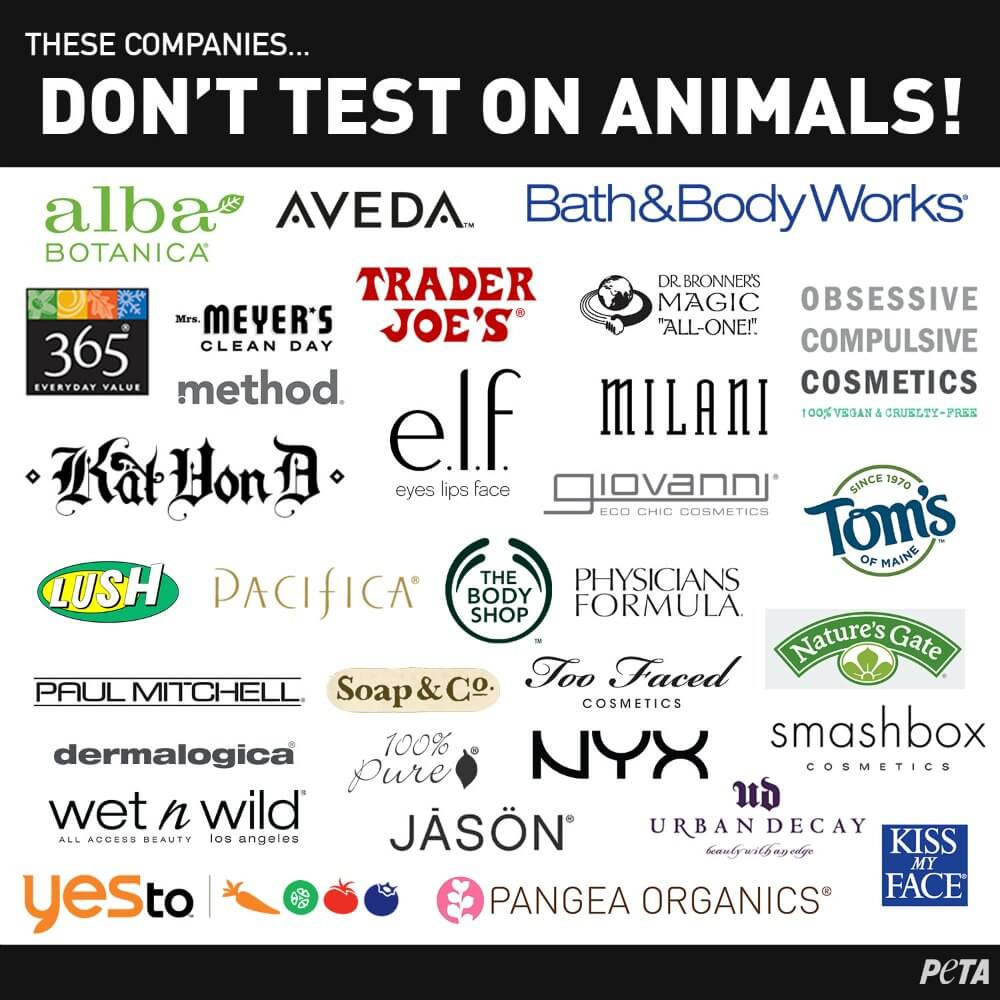
In the first step toward enlightenment, one must educate oneself about the many symbols and certifications adorning product packaging. A veritable cornucopia of logos exists, serving as gatekeepers of ethical standards. Look for the leaping bunny emblem, an illustrious designation signifying that a product has undergone rigorous scrutiny to ensure it has not been tested on animals. This emblem is a beacon of hope, guiding conscientious consumers toward brands committed to non-animal testing methods.
The absence of prevalent symbols, however, does not disqualify a product from being animal-friendly. One must delve deeper, scrutinizing the landscape of certification agencies, such as the Humane Society International or the Vegan Society’s logo. These organizations diligently evaluate and accredit brands based on their adherence to animal welfare principles. Finding a certified product is like discovering a pearl in an oyster; the rarity enhances its value.
Once one has familiarized that many logos exist, the next labyrinthine path leads to understanding the brand’s ethos and production transparency. Investigating a company’s website and reading their mission statement can provide significant insight into their values. A transparent brand displays its ethical commitment as prominently as a flag waves in the wind—boldly, unapologetically. Brands that are earnest about their humane practices often share a wealth of information regarding their sourcing, testing methodologies, and the measures they take to ensure no cruelty befalls our sentient cohabitants.
However, one must not be lulled into complacency by a captivating narrative. The art of discerning the truth requires one to be savvy; one must look for third-party endorsements that echo the brand’s claims. Genuine cruelty-free companies encourage you to double-check their assertions with independent reviews, much like a chef who invites patrons to sample their culinary creations without the pretense of secrecy.
As the plot thickens, it becomes essential to discern between “cruelty-free” and “vegan” claims. While both terms suggest a commitment to avoiding animal exploitation, they represent different principles. A product may be vegan—abstaining from animal-derived ingredients—but still undergo testing on animals. Thus, it’s vital to scrutinize both labels diligently. Understanding the nuances distinguishes the conscientious consumer from the passive bystander in the battle against animal cruelty.
Social media platforms are the modern town squares—pulsating with the voices of consumers, activists, and influencers sharing their experiences. Engaging with community discussions about brands can unveil hidden truths. Hashtags such as #CrueltyFree and #AnimalRights often bear surprising revelations. Listening to the collective consciousness can shape purchasing decisions. Pay attention to narratives; customers’ shared stories are the echoes of experience, illuminating the way through this daunting landscape.
Engagement extends beyond mere dialogue. It’s prudent to channel one’s activism into the realm of consumer choices. Directly reaching out to companies can yield revelations regarding their practices. Questions posed through emails or social media inquiries may elicit detailed responses, affirming your skepticism or enhancing your understanding. Think of it as pulling back the curtain on a magician’s secrets—what lies behind the flash and flair is often enlightening.
Moreover, understanding the geographical context of products can unveil additional layers. Certain regions enforce stricter animal testing regulations than others. For instance, European Union laws demand that cosmetics not be tested on animals, thus shifting the assurance of cruelty-free within the borders of those nations. An awareness of local regulations enhances your ability to make informed decisions, akin to a geographer mapping the terrain of ethical consumerism.
Another critical dimension to explore involves the ingredients themselves. Familiarizing oneself with common animal-derived components is akin to learning a foreign language—knowledge empowers you to navigate products with ease. Gelatin, carmine, and lanolin are some notable ingredients to watch for, as they signify involvement in animal exploitation. By arming oneself with this lexicon, the consumer can resist the allure of products that don’t align with their values.
Finally, support brands championing ethical practices deliberately. Investing in cruelty-free companies is not just a statement of personal values; it’s a potent catalyst for change within the industry. Each dollar spent on humane products reverberates with impact. Such financial support fosters a culture of compassion, urging other brands to abandon outdated testing methods and embrace a more conscientious approach.
As you embark on this enlightening journey, remember that being a smart consumer is more than a mere transaction; it is an unwavering commitment to the sanctity of life and ethical principles. Through education, scrutiny, and intentional choices, each purchase can resonate with advocacy. In a world often filled with thorns, let us endeavor to see the roses, fostering an environment where compassion flourishes, one product at a time.