The circus has long been romanticized in popular culture, portrayed as a whimsical realm of thrilling performances and delight. However, beneath this vibrant façade lies a somber reality, one that often involves the blatant mistreatment of the very animals that should inspire awe and wonder. To those who care about animal welfare, the circus serves as a microcosm of cruelty, where creatures are forced into submission under the harsh glare of the spotlight. It’s essential, therefore, to explore how public pressure and policy reform can serve as robust instruments to dismantle the apparatus of circus animal cruelty.
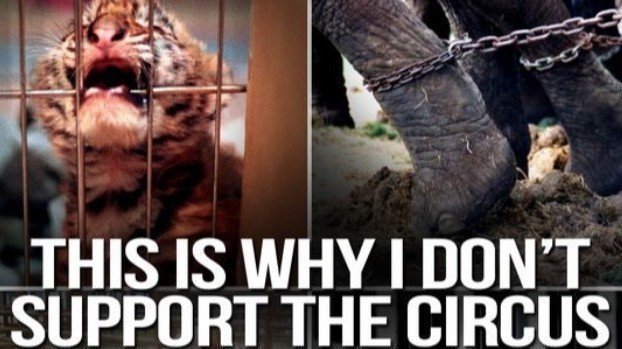
At the heart of the issue lies a profound ethical dilemma—how can entertainment be justified at the expense of another sentient being’s wellbeing? The circus industry, steeped in tradition, often resists scrutiny, wrapped in nostalgia and the allure of the astonishing. Yet, the images of elephants tethered in chains, tigers roped into submission, and horses subjected to rigorous training regimens bespeak a stark truth. This is not merely a matter of entertainment; it is a manifestation of exploitation, rooted in a history that disregards the rights of animals.
Public pressure acts as the wind beneath the wings of transformation. When individuals raise their voices in unison, they resonate with a power that can no longer be ignored. The advent of social media has amplified this transformative potential exponentially. One compelling example is the #BanTheCircus campaign, which has galvanized people worldwide to reevaluate the ethics behind their entertainment choices. By leveraging viral platforms, activists can expose the harsh realities of circus life, turning the spotlight onto the injustices that exist behind the scenes.
Awareness is crucial. Educating the public about the conditions under which circus animals are confined leads to a paradigm shift in consumer behavior. Once enlightened, individuals can make informed choices regarding their entertainment options. The beauty of this grassroots movement is that it fosters community engagement. Shared stories and videos bring to life the plight of these animals, creating empathy that transcends the barriers of indifference. When consumers begin to favor circuses that honor animal welfare or choose to forgo such spectacles altogether, the industry is compelled to adapt or face obsolescence.
Moreover, the consequences of public pressure extend to legislative corridors, urging lawmakers to implement policies that safeguard animal rights. Advocacy groups play a pivotal role in this process, lobbying for comprehensive reforms that ban the use of wild animals in circuses altogether. Legislative measures, such as stricter regulations on animal welfare and licensing for circuses, can serve as foundational elements in the fight against this cruelty. Countries like the United Kingdom and some cities in the United States have already begun to legislate against the performance of wild animals in circuses, setting a precedent for others to follow.
Comprehensive policy reform entails not just bans, but also a holistic approach to animal welfare. This could involve reimagining how we perceive animal entertainment. Instead of traditional circuses, society could embrace alternatives that showcase the beauty of animals in their natural behaviors—sanctuaries, wildlife reserves, and immersive experiences that honor and educate about the species themselves. Such institutions can provide the thrill of animal encounters while prioritizing their wellbeing, blending entertainment with education and conservation.
However, while public momentum is vital, so too is the challenge of ingraining these ideals within societal norms. As long as profit motives overshadow ethical considerations, there exists a constant struggle between entertainment value and moral duty. Thus, the business of circus entertainment must evolve, adopting models that prioritize compassion over profit. This paradigm shift requires not only public advocacy but the collaboration of key stakeholders—animal welfare organizations, circus owners, and policymakers—working together towards a common goal of ethical treatment.
To amplify the movement further, fostering partnerships with influential figures in entertainment could lend a voice to this cause, stirring public consciousness on an unprecedented scale. Celebrities who advocate for animal rights can draw attention to the plight of circus animals, ultimately influencing public opinion and inspiring changes in consumer behavior. By collaborating with ambassadors of compassion, campaigns to outlaw circus cruelty can harness a broader audience, ensuring that the message permeates diverse demographics.
Engagement strategies also play a crucial role in shaping public perception. Interactive campaigns that invite individuals to participate in petitions, educational events, and community forums can galvanize a fervent base of support for animal rights. Engaging the next generation through school programs focused on empathy towards animals can nurture activists of tomorrow. Cultivating a world where empathy for living beings is paramount establishes a formidable foundation for dismantling the cruel legacies of organizations that exploit animals for entertainment.
Ultimately, the struggle against circus animal cruelty encompasses more than just a singular aim to ban traditional circuses; it embodies the broader movement towards fostering a culture of compassion and respect for all sentient beings. Elevating public awareness and enacting policy reform acts as a dual engine driving this evolution. As the world gravitates towards a more ethical lens, society will begin to view animals not as mere tools for entertainment but as fellow inhabitants deserving of dignity and respect. The time has come to not only dream of a future without circus cruelty but to actively build it—one informed choice, one piece of legislation, and one compassionate act at a time.