Across the globe, zoos have long been venues for entertainment and education, showcasing the splendor of wildlife to the public. Yet, hidden behind the façade of charm and wonder, many zoos harbor practices that compromise the well-being of their inhabitants. As ethical travelers, we possess the power to influence positive change within this complex institution. Understanding how to stop animal cruelty in zoos requires an examination of their operational practices while fostering awareness among visitors. This guide addresses various dimensions of animal welfare and the imperative responsibilities of conscientious travelers.
Understanding the Issues
To embark on this journey, it is essential to grasp the root causes of animal cruelty in zoos. Many animals live in enclosures that mimic their natural habitats only superficially, leading to significant psychological distress known as zoochosis. Symptoms can manifest in various behaviors such as pacing, over-grooming, or even self-mutilation. Moreover, inadequate space and lack of proper stimulation can exacerbate these conditions, raising ethical concerns regarding the legitimacy of keeping animals in captivity.
Moreover, the issue of breeding programs often raises eyebrows. In many cases, zoos implement breeding initiatives under the guise of conservation, yet the reality reveals a troubling paradox. A significant percentage of species preserved in institutional settings are rarely reintroduced into the wild, primarily due to habitat destruction and human encroachment. This begs the question: Are these programs genuinely aimed at fostering biodiversity, or are they merely a tactic for attracting visitors?
The Traveler’s Role
As patrons of these institutions, ethical travelers have a unique opportunity—and obligation—to engage with these realities proactively. The first step is to research the facilities before visiting. Investigate the zoo’s practices using scrutiny; what are their animal care standards? Are they accredited by recognized organizations that prioritize animal welfare? Investigate their approach to conservation and education, and whether they participate actively in mitigating the threats endangering species in the wild.
When visiting a zoo, behaving as an informed observer is paramount. Witnessing animal interactions and enclosure conditions can provide invaluable insights into the quality of care animals receive. Document and share experiences through appropriate channels that advocate for improvements. Engage with staff and inquire about animal needs and welfare practices; such questions can stir conversations that embolden institutional change.
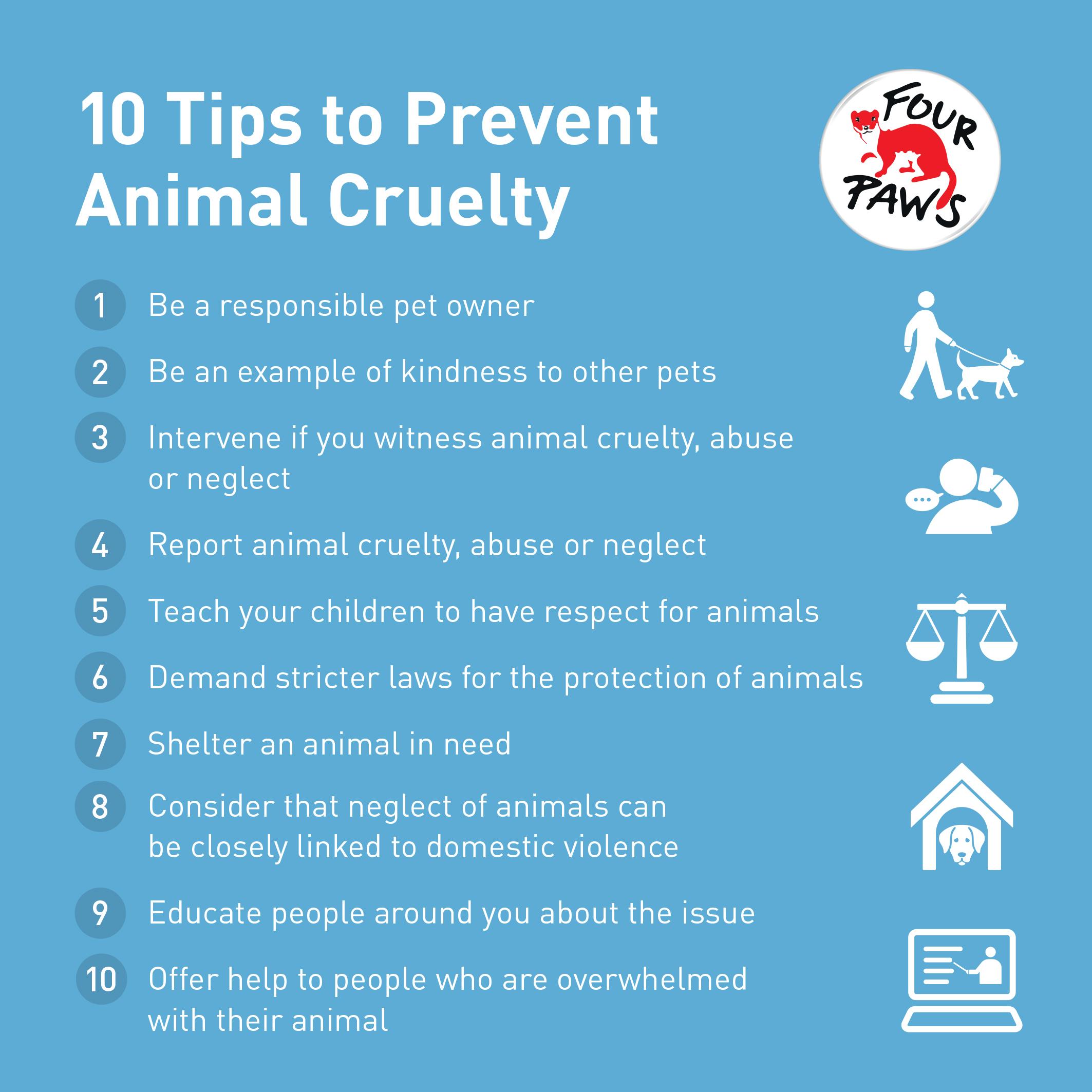
An ethical traveler understands the power of advocacy. While visiting a zoo, observe the treatment of animals closely. If mistreatment is evident, documenting instances can mobilize change. Use social media platforms to elevate awareness, encouraging others to consider their choices about wildlife tourism. Engaging in conversations with fellow travelers can also cultivate a culture of accountability regarding animal welfare.
Supporting Ethical Alternatives
Given the awareness fostered through personal experiences, an ethical traveler should also seek alternatives to traditional zoos. Wildlife sanctuaries and rehabilitation centers often provide safer havens for animals that cannot be reintroduced to their natural habitats. These organizations prioritize their welfare and might offer opportunities for interaction that adhere to higher ethical standards.
Additionally, consider eco-tourism initiatives that allow travelers to observe wildlife in their natural environments, without subjecting them to the rigors of captivity. Such pursuits support conservation efforts and foster a direct connection with nature, enhancing the appreciation of biodiversity.
Promoting Responsible Education
Education plays a critical role in shifting public perception regarding animal welfare in zoos. To combat animal cruelty, the narratives conveyed on educational platforms must emphasize respect for wildlife and the ethical considerations surrounding captivity. Advocate for educational programs designed to inform visitors about humane alternatives and the realities of life in captivity.
Support organizations that invest in community outreach programs, aiming to educate populations on conservation and animal welfare issues. When we spread knowledge, we inspire collective action that has the potential to affect existing policies and practices at zoos worldwide.
Encouraging Policy Change
Lastly, advocating for stricter regulations regarding animal welfare in zoos is paramount. Petition your local and federal government to implement comprehensive standards that prioritize the well-being of animals in captivity. Support legislation that holds facilities accountable for standards of care, and champion reforms that promote transparency regarding animal treatment.
By participating in discussions about animal rights policies, every traveler becomes a potent catalyst for change. Collaborating with local and global advocacy groups amplifies these efforts, fostering a robust community dedicated to ending cruelty in all its forms.
Conclusion
Stopping animal cruelty in zoos requires collective vigilance. As ethical travelers, we must become conscious of how our choices impact the delicate balance between enjoyment of wildlife and the moral imperative to protect it. Through research, advocacy, and support of ethical alternatives, we not only illuminate the path toward humane practices but also lay the foundation for a more compassionate world where animals live free of suffering, both in the wild and within our communities. Embrace this journey, rally your fellow travelers, and catalyze the change needed to create sanctuaries where wildlife can thrive unhindered, celebrating the magnificence of life as it was meant to be.