Animal cruelty is a pervasive concern that often goes unnoticed or unreported. It’s a distressing reality that manifests in various forms, from neglect to outright abuse. Many individuals wonder, “What can I do if I suspect that an animal is being mistreated?” This question is not just rhetorical; it challenges the community to take action against an ever-important ethical crisis. Reporting animal cruelty is crucial for the welfare of animals, but there are different pathways to do so—legal and anonymous. Both methods can lead to substantial impacts, but understanding their differences is imperative.
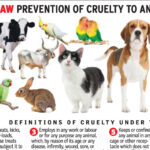
Before delving into specific reporting methods, let’s define what constitutes animal cruelty. According to legal definitions, animal cruelty can include actions that cause undue suffering, harm, or death to animals. This encompasses physical abuse, insufficient food or shelter, and lack of necessary medical care. Recognizing these signs is the first step toward proactive intervention.
When deciding to report animal cruelty, one’s first option is through legal channels. This process involves contacting local law enforcement or animal control agencies. The advantage of reporting cruelty to authorities is that it opens pathways to formal investigations. Officers or animal control officers are trained to handle such incidents and can take immediate action, which may include rescuing the affected animal.
To formally report an incident, gather as much information as possible. Document everything you observe—take photographs, note the time of day, and write down any specific events or conversations. For instance, if you witness an animal being struck or left in extreme temperatures, these details will provide a clearer picture for authorities. Moreover, collect witness statements if possible. It’s vital that the information is factual and objective to avoid misinterpretation.
Most animal control departments have specific protocols for receiving reports. In many cases, providing a detailed account can help prioritize the case. Keep in mind that legal organizations often require an identifiable caller to take action, as anonymity can complicate investigations. Your identity may remain confidential, but the legality of the report often hinges on transparency.
However, there are instances wherein individuals might hesitate to report due to fear of retaliation or disbelief that authorities will act upon their concerns. This is where anonymous tips become a critical alternative. Many organizations offer hotlines or online portals for reporting suspected cruelty without revealing your identity. This option is particularly advantageous if the person suspected of abuse is someone you know personally.
Anonymous tips can lead to investigations, but they may not carry the same weight as legal reports. The challenge with anonymity lies in the limitations of actionable information. Without concrete details, authorities may struggle to substantiate claims. Hence, if you choose this route, ensure that your anonymity doesn’t come at the cost of providing minimal information. Use descriptive language to convey what you’ve observed and express your concerns clearly.
Different regions have varied laws concerning the reporting of animal cruelty. Familiarizing yourself with local laws can provide further insights into your obligations and protections. In some areas, citizens are mandated to report signs of animal abuse, while in others, the responsibility is more nuanced. Exploring local statutes can offer clarity on both legal and community expectations.
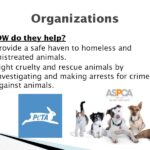
An additional dimension to this dilemma involves providing resources for the animals in need. Reporting an incident is often the first step, but ongoing care for the rescued animals is paramount. Illustrations of shelter conditions, veterinary availability, and local animal welfare organizations will build a more robust support system for animals once they are removed from harmful situations. Thus, having a list of local shelters or advocacy groups ready can facilitate immediate assistance.
As a society, we must grapple with the moral implications surrounding animal welfare. The question arises: who bears the responsibility for reporting animal cruelty? While individuals can feel empowered to act, this doesn’t absolve communities from their obligations to foster compassionate environments. Creating an ethos where animal abuse is eschewed and actively reported requires concerted efforts from all facets of life—families, schools, and community organizations. Open dialogues can demystify the process of reporting and encourage others to act when witnessing cruelty.
The next time you find yourself pondering what to do in the presence of animal cruelty, consider both your options: legal reporting and anonymous tips. Recognize the value of your voice while weighing potential consequences. Often, standing idly by perpetuates an already dire situation. The hesitance to act for fear of judgment should not overshadow the urgency of intervention. Each compassionate action has the potential to spark change.
Engaging in community discussions about animal rights, participating in workshops, or volunteering with animal rescue organizations can also enhance understanding of this critical issue. Education breeds activism; the more informed the populace, the stronger the front against cruelty. You may find that you’re not alone in your endeavors; many share your desire for a world where animals are treated with dignity and respect.
In closure, whether you report anonymously or through legal channels, make sure that your decision stems from genuine concern for the well-being of animals. Take clear, decisive action when faced with potential cruelty, and encourage others to do the same. Remember, it is our collective responsibility to ensure that no creature suffers in silence.