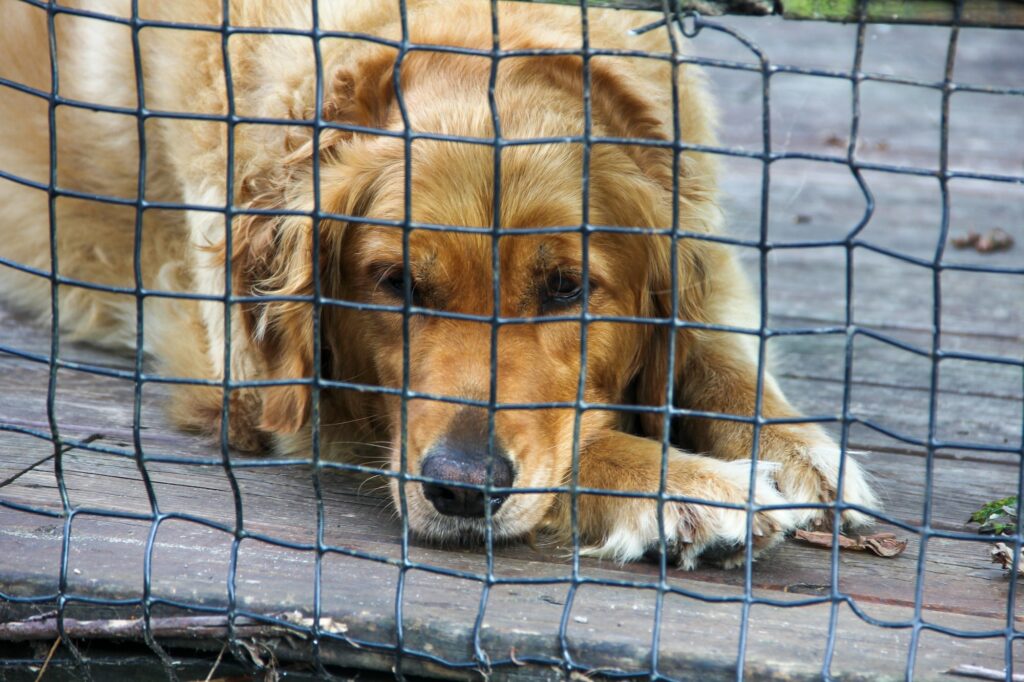
Animal cruelty is a grievous violation that afflicts countless creatures in our communities. As conscientious citizens, we bear the responsibility to combat this insidious plight. This article serves as a comprehensive guide on how to report animal cruelty effectively, ensuring that the voices of those who cannot advocate for themselves resonate within our societal framework.
Understanding Animal Cruelty
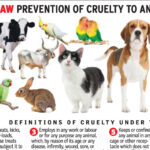
Before delving into the reporting mechanisms, it is imperative to comprehend what constitutes animal cruelty. This term broadly encapsulates various forms of mistreatment, including neglect, physical abuse, abandonment, and exploitation. Neglect might manifest in the form of inadequate food, water, or shelter, while physical abuse can range from hitting to more severe forms of violence. Exploitation often includes using animals in illegal activities such as dog fighting or hoarding. Recognizing these dynamics is essential, as it equips individuals with the acumen to identify potential cases of cruelty.
Observational Vigilance
The first step towards addressing animal cruelty is through diligent observation. Remain vigilant and cultivate a keen awareness of your surroundings. Such alertness allows for the situational identification of a distressed animal, which might be manifesting symptoms such as excessive barking, physical injuries, or signs of malnutrition. Take notes of specific behaviors and circumstances. Photographic evidence, though sensitive to acquire, can serve as a powerful tool in corroborating a report. The act of documenting these observations lays the groundwork for a robust case.
Gathering Evidence
In reporting animal cruelty, the potency of a claim often hinges on the strength of accompanying evidence. Compile any relevant information meticulously. This includes notes on the animal’s condition, the address of the location, and any identifiable information about the owner or caretaker. Video evidence, if ethically obtained, can provide compelling visual documentation of the alleged cruelty. However, it’s paramount to prioritize safety and avoid direct confrontation with the suspected violator. Your safety should remain paramount.
Contacting Local Authorities
Once you have organized your findings, the next step entails contacting the appropriate local authorities. This may differ depending on your community’s jurisdiction but generally encompasses local animal control, humane societies, or law enforcement agencies. Each entity has mechanisms in place to receive reports regarding animal abuse. Familiarize yourself with these procedures, as they can expedite the reporting process. When providing your account, adopt a factual tone and refrain from emotive language to bolster the credibility of your report.
Anonymous Reporting
In numerous places, individuals have the option to report suspected animal cruelty anonymously. While anonymity can protect the informant, it may complicate follow-up investigations by authorities. If you feel intimidated by the potential repercussions of your involvement, weigh the pros and cons of remaining anonymous. Your safety should always take precedence, yet keep in mind that providing your contact information could aid law enforcement in clarifying details or obtaining additional evidence.
Engaging with Local Animal Organizations
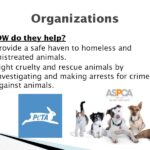
In addition to contacting authorities, engaging with local animal welfare organizations can be invaluable. These entities often have dedicated resources and personnel trained in the nuances of animal law. They can provide guidance on how to navigate the complexities of the reporting process and may even assist in the investigation after you have reported the situation to the proper authorities. Establishing a partnership with these organizations bolsters community efforts against cruelty and can lead to more effective resolutions.
The Follow-Up
After submitting your report, consider following up to ascertain the status of your claim. Many organizations and agencies can provide updates, though it may not always be possible depending on the situation’s sensitivity. However, maintaining an ongoing interest can reinforce the importance of the case and augment the sense of urgency surrounding the issue. Your continued advocacy demonstrates that community members are invested in the well-being of animals and vigilant against negligence.
Advocating for Legislative Changes
While reporting cruelty is critical, engaging in broader advocacy efforts can yield substantial systemic change. Familiarize yourself with local animal welfare laws and their enforcement constraints. In some cases, existing laws may be insufficient to address the scope of cruelty faced by animals. Taking action by advocating for legislative amendments can contribute to more potent protections. Attend local council meetings, speak out on community platforms, or start petitions to galvanize support for stronger animal welfare regulations.
Educating Others
Another vital aspect of combating animal cruelty lies in education. Sharing knowledge about how to identify and report cruelty, alongside promoting responsible pet ownership, enriches the community’s understanding. Arrange community workshops, or leverage social media platforms to disseminate information broadly. Increased awareness can lead to more eyes on the lookout for potential cases of cruelty, thereby fortifying the network of advocates against animal mistreatment.
The Moral Imperative
As sentient beings sharing this planet, animals deserve our protection and respect. Reporting animal cruelty is not merely a legal obligation but a moral imperative. By arming ourselves with knowledge and taking decisive action, we can contribute to a culture of compassion in our communities. Join forces with fellow advocates, bolster your understanding of local legislation, and ensure that every creature can enjoy a life free from suffering. Together, we have the power to effectuate meaningful change, one report at a time.