Animal cruelty continues to be a pressing issue worldwide, raising the question: What would you do if you witnessed an animal being mistreated? The answer often requires not just moral courage but a clear understanding of the protocols in place to report such heinous acts. In the UK, the Royal Society for the Prevention of Cruelty to Animals (RSPCA) is the primary body responsible for addressing reports of animal cruelty. However, this process can often be shrouded in confusion. Let’s delve into the essential steps involved in reporting animal cruelty, both in the UK and internationally, to ensure that every abused animal receives the help it desperately needs.
Understanding Animal Cruelty
Before embarking on the reporting journey, it is imperative to comprehend what constitutes animal cruelty. In general terms, animal cruelty can manifest in various forms, including physical abuse, neglect, and exploitation. Physical violence may include any actions that inflict pain or suffering on an animal, while neglect typically refers to failure to provide adequate care and sustenance. Furthermore, exploitation may encompass scenarios where animals are used for entertainment under conditions that compromise their well-being.
Recognizing the Signs
Each individual has a responsibility to be vigilant. When considering whether to report potential cruelty, one must recognize the signs. Common indicators include:
- Visible injuries or untreated wounds.
- Severe emaciation or malnutrition.
- Unhygienic living conditions, such as being confined in feces-filled spaces.
- Lack of access to food, water, or veterinary care.
- Behavioral signs such as aggression, fearfulness, or extreme withdrawal.
When faced with these warning signs, it can be disheartening, but it’s crucial to act. Every second could count in ensuring the safety of vulnerable creatures.
Steps to Report Animal Cruelty to the RSPCA
Once you have identified a case of suspected animal cruelty, the next step is to report the incident to the RSPCA. Follow this protocol:
- Gather Evidence: Collect detailed information about the incident, including specifics on the location, the type of animal involved, and the nature of the cruelty observed. If possible, take photographs or videos discreetly, as visual documentation can significantly bolster your report.
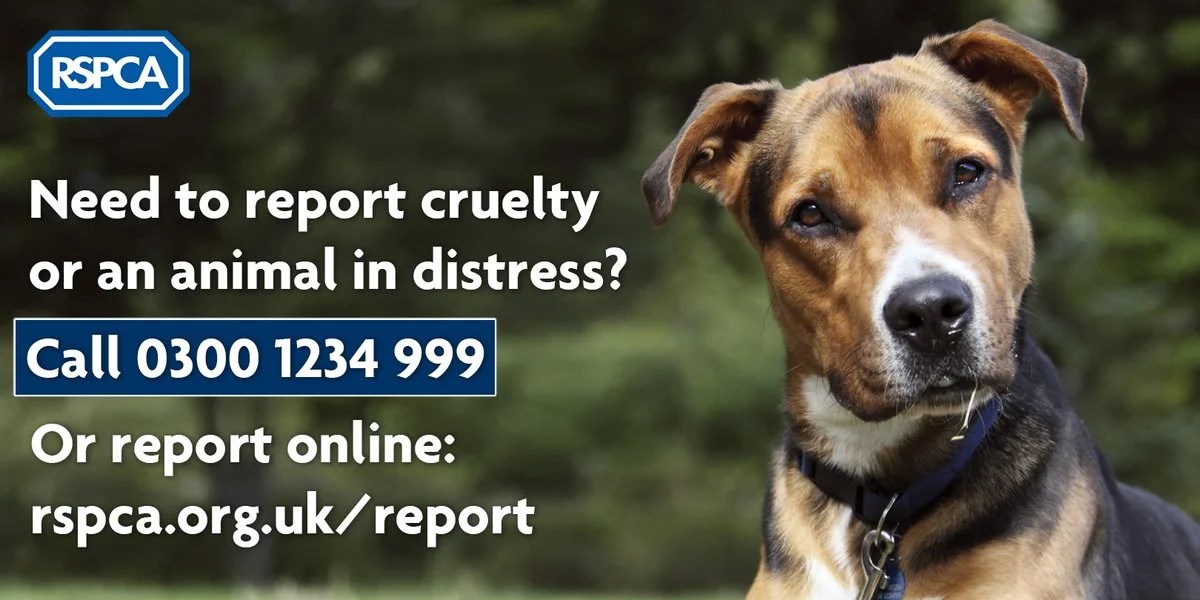
- Contact the RSPCA: Reporting can be done through various channels. Call the RSPCA’s 24-hour cruelty line at 0300 1234 999 or visit their website to report online. Be prepared to provide all the information you have gathered.
- Document Your Report: Keep a record of your communication with RSPCA officials, including dates, times, and any reference numbers provided. This will assist in following up, should you need to.
- Remain Anonymously Involved: Although you have the option to provide your details, many prefer anonymity. The RSPCA guarantees confidentiality, ensuring your identity remains protected.
What to Expect After Reporting
After submitting your complaint, it is natural to wonder what happens next. The RSPCA assesses each report based on its severity and urgency. In critical cases, they may dispatch an inspector promptly to assess the situation. However, in less urgent scenarios, it may take longer to investigate. It is essential to understand that, while the RSPCA endeavors to act on every report, the overwhelming number of cases may impact responsiveness.
International Protocols for Reporting Animal Cruelty
For those outside the UK, animal welfare laws may differ significantly. While the RSPCA operates specifically within the UK, numerous international organizations exist, each with distinct procedures. Examples include the American Society for the Prevention of Cruelty to Animals (ASPCA) in the United States, and the World Animal Protection which operates in various countries.
When seeking to report animal cruelty internationally, the following guidelines are useful:
- Research Local Organizations: Identify local animal welfare organizations or government agencies in your respective country. Understanding their structure will facilitate the reporting process.
- Learn the Legal Framework: Familiarize yourself with national and local animal protection laws. Knowing what qualifies as cruelty can help you make a robust report.
- Follow Reporting Guidelines: Each organization will have its specific reporting requirements. They may vary from those employed by the RSPCA, so adapt accordingly.
The Challenge of Reporting
Despite the availability of these reporting frameworks, some individuals may feel hesitant to act. This hesitation often stems from fears of backlash, uncertainty about the credibility of the report, or doubts regarding the effectiveness of the system. These challenges can create a substantial barrier to intervention; yet, it is crucial to remember that every report increases the likelihood of saving an animal in distress.
Conclusion
Reporting animal cruelty is not merely a civic duty; it is a moral imperative that reflects our compassion and respect for all living beings. By understanding the protocols established by the RSPCA in the UK, alongside international reporting mechanisms, we can come together as a society that advocates for justice for the voiceless. Armed with knowledge and determination, let us champion the cause—creating a world where cruelty no longer goes unchallenged. Now, are you ready to take that first step for those who cannot speak for themselves?