Animal cruelty is an egregious violation of ethical standards, and it is, regrettably, a reality that exists across all corners of society. In Florida, as in many other states, it is crucial for every citizen to step forward as a protector of animals, ensuring that they do not suffer in silence. But how does one effectively report animal cruelty? What avenues exist for concerned individuals? In this article, we will delve into the mechanisms available for reporting and addressing animal cruelty in Florida, exploring the vital roles played by the local Society for the Prevention of Cruelty to Animals (SPCA) and law enforcement agencies.
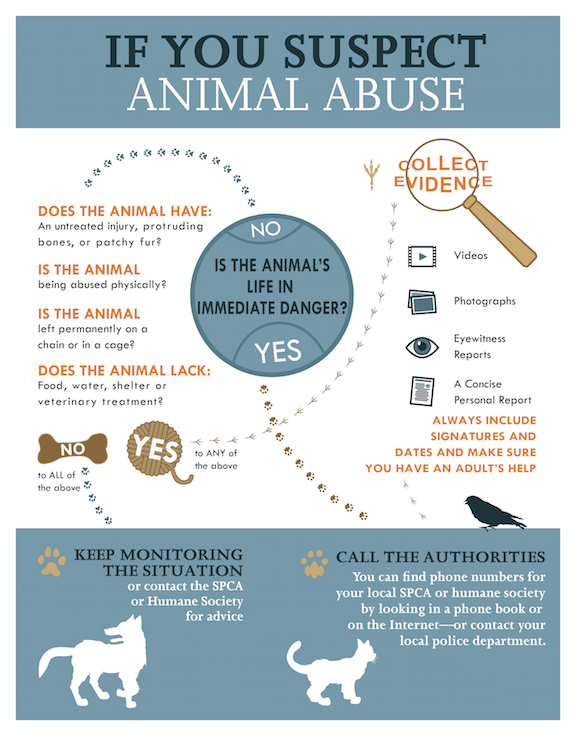
The first step in reporting animal cruelty is identifying what constitutes such behavior. Animal cruelty can take many forms, from neglect and abandonment to physical abuse and overly harsh treatment. Are you able to recognize the signs of an animal in distress? An animal that is undernourished, has visible injuries, or is kept in unsanitary conditions requires urgent attention. Likewise, if you witness someone beating, kicking, or otherwise inflicting harm upon an animal, the time to act is now.
Understanding the psychology of a bystander can pose a challenge. Many individuals may feel hesitant to intervene or report, worried about potential backlash or questioning their motives. However, it is crucial to remember that remaining silent can lead to dire consequences for the animal involved. One must ask: will you stand by while a defenseless creature suffers?
If you suspect that animal cruelty is occurring, the next step is to document your observations. Take notes on the date, time, location, and specific details about the incident. Clear photographic evidence can also bolster your case. This information will be invaluable when reporting the incident to authorities.
In Florida, you have multiple options for reporting animal cruelty, each with its own procedures and nuances. The first point of contact is often the local SPCA. With their extensive experience and resources, the SPCA can provide guidance and assistance throughout the reporting process.
To file a report with your local SPCA, you can visit their website or make a phone call. When you contact them, be prepared to share all relevant details. The SPCA may ask for specifics about the conditions you’ve witnessed or any previous incidents related to the animal in question. Recognize that the SPCA has protocols in place and can conduct investigations into claims of cruelty. They may also direct you towards other local organizations that can assist in the case of specific animals in need of rescue.
However, it is not enough to rely solely on the SPCA. In some instances, involving law enforcement may be necessary, particularly when immediate danger to the animal is present. All law enforcement agencies in Florida take allegations of animal cruelty seriously, and officers are trained to handle these cases with the necessary urgency.
When contacting law enforcement, you can call the non-emergency number to report your concerns. Alternatively, if you suspect that an animal is in imminent danger, do not hesitate to call 911. Provide your details, along with the specifics of what you have observed. It is important to note that the presence of law enforcement can often deter potential abusers and ensure that the animal receives prompt care.
Reporters may wonder if their identity will be kept confidential. In many cases, yes, your name and personal details can remain confidential, especially when dealing with agencies that prioritize the welfare of animals. However, it is wise to confirm this ahead of time for peace of mind.
Another avenue worth exploring is your local animal control agency. Each county in Florida typically has an animal control division that deals with issues related to animal welfare and regulation. They are also equipped to investigate animal cruelty cases. Engaging with them complements the reports made to the SPCA and law enforcement, reinforcing the urgency of the situation.
What happens after you file a report? This is where accountability and follow-ups become critical. While it may take time for the agencies involved to address your concerns, maintaining open communication is essential. Continue to check in with the SPCA or law enforcement about your report, especially if you notice that the conditions or behavior have not improved. Your diligence can be the difference between continued suffering and reprieve for the affected animal.
Beyond immediate actions, consider taking part in community education programs on animal welfare. Many local SPCA organizations offer outreach initiatives designed to raise awareness about responsible pet ownership and the importance of reporting cruelty. By becoming an active participant, you not only inform others but also empower them to take action against inhumane treatment of animals.
Ultimately, reporting animal cruelty is not just about being a bystander; it is about stepping into a role of advocacy, protecting the voiceless beings who share this planet with us. The responsibilities may feel burdensome, but your resolve can ignite change within your community. Remember, it is always better to act upon suspicion than to ignore it. Together, we can work towards a future where animal cruelty is recognized for what it is: an intolerable act against our fellow creatures. In Florida, the local SPCA and law enforcement are here to help. Will you stand with them for a more compassionate world?