Animal cruelty remains a pervasive issue that affects countless creatures across the globe. Each year, millions of animals suffer from neglect, abuse, and exploitation, igniting a fervent desire among activists and advocates to take action. One of the most effective avenues for addressing this pervasive issue is through the reporting of animal cruelty. In today’s digital age, the process of reporting such heinous activities has evolved, encompassing both global platforms and community-oriented local actions. This article delves into the mechanisms and significance of reporting animal cruelty online, while providing guidance on how to navigate these resources effectively.
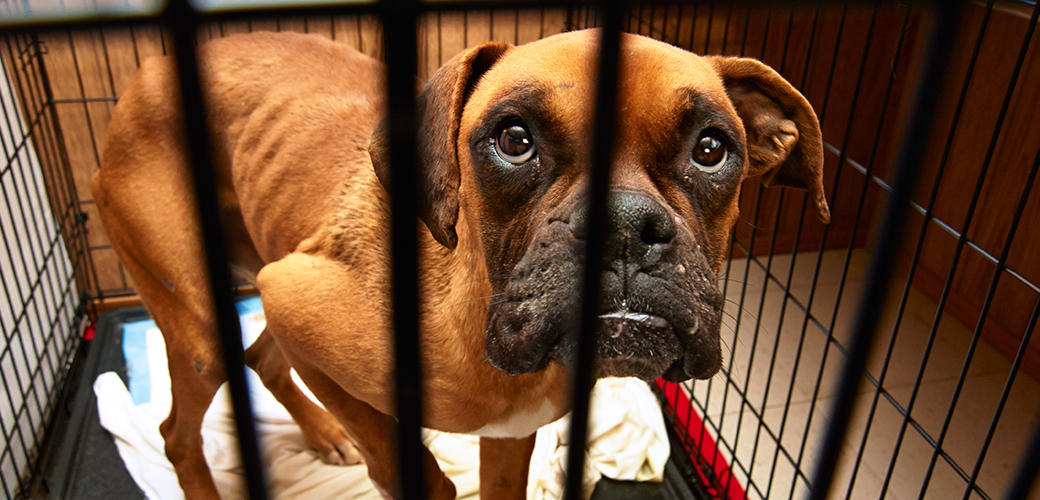
The very essence of reporting animal cruelty lies in the awareness and observance of signs that indicate abuse or neglect. Awareness is the ignition point for any action. Signs may include visible injuries, inadequate shelter, insufficient food and water, or animals being tethered for prolonged periods. It is critical for individuals who encounter such situations to understand that their observations can catalyze significant change. Recognizing animal cruelty is the first step; reporting it is the necessary follow-through.
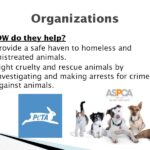
With an increasing reliance on technology and social media, numerous global and regional platforms have emerged dedicated to combating animal cruelty. Organizations such as the ASPCA, PETA, and the Humane Society of the United States offer users the ability to report incidents through easily navigable online forms. These platforms enable concerned citizens to lodge complaints and provide vital information to authorities efficiently and anonymously. Utilizing these established networks is a pivotal method of amplifying your voice against cruelty.
Taking the initiative to report animal cruelty begins with verifying the credibility of the organization you wish to approach. Each organization possesses a unique focus and methodology for handling animal cruelty cases. For example, the ASPCA specializes in both direct intervention and education, providing essential resources for those wanting to end animal suffering. Their online reporting system allows users to input specific details about the incident, which is then reviewed by professional investigators skilled in handling such distressing circumstances.
In addition to notable organizations, regional animal welfare agencies, such as local humane societies or animal control departments, play a crucial role in addressing cruelty cases. These agencies are often more aware of specific local laws and regulations, which can enhance the efficacy of the reporting process. Whether through a phone call or an online form, engaging with local authorities can yield rapid responses and localized interventions. This provides a more tailored approach compared to broader national organizations.
It’s paramount to understand that reporting animal cruelty is not merely about denouncing a situation; it is also about ensuring the protection of a voiceless entity. When reporting an incident, one should include as much detail as possible. Observations like the time of day, geographical location, and specific behaviors noted will enhance the ability of authorities to act decisively. Documenting evidence, such as photographs or videos, can further substantiate your claims, helping authorities assess the seriousness of the situation without placing yourself in harm’s way.
Global platforms, such as social media outlets, have also become invaluable tools in raising awareness and promoting action against animal cruelty. Viral campaigns can galvanize public sentiment, sparking a collective outrage that prompts entities to respond swiftly. For instance, hashtags and online petitions serve as effective means of mobilizing masses, urging institutions and governments to prioritize animal welfare initiatives. By utilizing these platforms, one can broaden the reach of an appeal for action beyond immediate geography, creating a ripple effect that can influence policy at higher levels.
However, it is equally critical to embrace local action. Community involvement fosters a sense of responsibility for animals within a specific demographic. Neighborhood watch programs focused on animal welfare, partnerships with local veterinarians for spaying/neutering initiatives, and organizing educational workshops about responsible pet ownership can become pivotal measures in preventing animal cruelty. Local engagement builds a network of vigilance that cultivates compassionate stewardship of animals in the area.
The psychological burden of witnessing animal cruelty can be profound. It is not uncommon for individuals who report such incidents to grapple with feelings of helplessness. However, realizing that you have initiated a course of action provides a sense of empowerment. Ideally, once a report has been made, follow up periodically with the relevant organizations to inquire about any developments regarding the case. This not only aids in accountability but also highlights the community’s commitment to ensuring the safety and welfare of animals.
In essence, reporting animal cruelty online is a multi-faceted approach that combines global awareness with local action. It requires diligence, empathy, and a willingness to engage with both established organizations and community networks effectively. Each report filed is not merely a complaint; it is a lifeline for animals in distress. The digital age has granted us unprecedented means to act decisively against cruelty—fragile creatures depend on our vigilance. As champions of animal welfare, we must harness the power of local influence and global connectivity to create substantive change. Through collective reporting and activism, we can foster a world where animals may live free from fear and suffering.