Animal cruelty remains a grave concern in our society, an issue that transcends borders and cultures. While many individuals are impassioned to intervene, the fear of backlash often inhibits action. It is imperative that individuals understand the nuanced ways to report animal cruelty anonymously while ensuring their own safety. This article outlines the steps and considerations involved in protecting our vulnerable companions while preserving personal safety and anonymity.
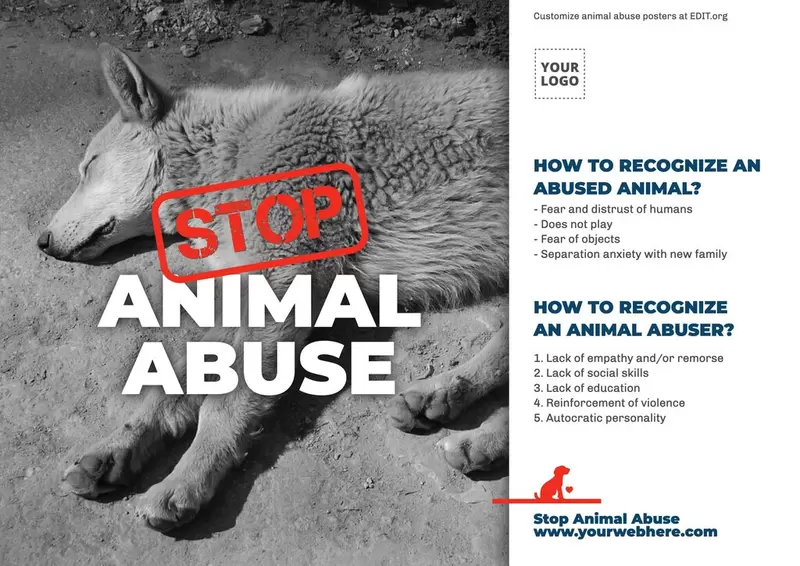
To begin with, it is essential to recognize the various forms animal cruelty can take. These manifestations include neglect, physical abuse, abandonment, and exploitation. Each instance brings suffering to innocent beings and reflects broader systemic issues within society. When individuals witness such acts, a visceral reaction often arises—an urge to protect the helpless. However, before embarking on a course of action, understanding how to report these offenses discreetly is crucial.
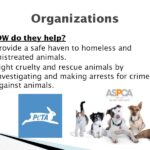
The first step in reporting animal cruelty anonymously is identifying the appropriate authority or organization in your locality. Generally, this could involve contacting local law enforcement, animal control agencies, or humane societies. Most municipalities have an animal control officer designated to deal with such cases. If you are uncertain about who to contact, a brief online search using terms like “animal cruelty reporting [your city]” can yield pertinent information. If available, it is advisable to consult websites of animal welfare organizations that provide clear instructions for reporting cruelty while maintaining anonymity.
Gathering comprehensive evidence is paramount before making a report. Take note of specific details: the nature of the cruelty witnessed, the number of animals affected, and the exact address of the situation. Photographs or videos can serve as compelling evidence, provided they do not endanger your safety. If you suspect animals are in immediate danger, reporting promptly is essential. However, patience is sometimes required; gathering a complete picture can strengthen your case, particularly if the situation is ongoing.
When ready to make a report, one must carefully consider the method of communication. Many agencies offer tip lines or online platforms where individuals can lodge complaints. Opting for these methods often allows a higher degree of anonymity. If making a phone call, ensure that you withhold your phone number and personal information if prompted. In some cases, you may even have the option to report anonymously in person, but caution is advised if you believe the offending party could retaliate.
In navigating this process, staying safe is paramount. While the desire to effect change is noble, personal safety must be prioritized. If an abusive situation is particularly volatile, it may be wise to avoid confrontations with the alleged abuser. The unpredictability of human behavior can escalate tensions rapidly. Therefore, it is prudent to maintain distance and report through official channels without drawing attention to yourself.
Recognizing the psychological fallout from witnessing animal cruelty is also crucial. Witnessing such acts can lead to feelings of helplessness, anxiety, and even guilt for not intervening sooner. Engaging in anonymous reporting can provide a sense of agency; it allows you to contribute to the welfare of animals without compromising your well-being. Joining local activism groups or online communities can further augment this sense of purpose, providing support from like-minded individuals who share your commitment to animal welfare.
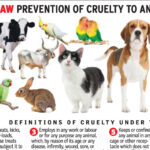
Additionally, consider understanding the legal frameworks surrounding animal welfare in your area. Familiarizing yourself with local animal cruelty laws can enhance the effectiveness of your reporting. Knowing what constitutes illegal behavior will equip you to identify and report it more effectively. This knowledge can be a powerful tool in combatting animal cruelty and advocating for stronger legislative protections.
Continuing to foster awareness about animal welfare in your community is also fundamental. By educating others about the signs of cruelty and the importance of reporting, you can cultivate a culture where animal welfare is prioritized. Distributing literature, organizing workshops, or participating in community discussions can raise awareness and empower others to take action safely.
Lastly, utilizing social media responsibly can serve as a catalyst for change. Often, a simple post highlighting animal cruelty can inspire a collective response. However, it is vital to respect the sensitivity of the issue. Avoid sharing images that could be traumatizing or exploitative. Instead, use these platforms to share information about how to report cruelty and advocate for animal rights.
In conclusion, reporting animal cruelty anonymously requires careful planning and consideration of personal safety. By identifying the appropriate authorities, gathering evidence, and employing discreet reporting methods, individuals can take significant steps in the fight against animal cruelty. Moreover, fostering awareness and supporting one another in this noble endeavor can eventually lead to a culture where animals are treated with the respect and compassion they deserve. In this way, every report becomes a powerful statement against cruelty and a poignant reminder that our voices can echo for the voiceless.