Animal cruelty remains an insidious blight on society, woven delicately into the fabric of our everyday existence, often unnoticed until the whispers of suffering become a clamor we can no longer ignore. To combat this ubiquitous malaise, raising awareness is essential; an awakened community is a fierce safeguard against inhumanity. This article delves into various strategies for illuminating the shadows of animal cruelty and igniting positive change within your community.
When it comes to initiating a movement, consider your community as a garden in need of tender care. Each effort to raise awareness is akin to planting seeds of knowledge and compassion, nurturing them until they blossom into a collective commitment to animal welfare. Just as every garden thrives on diversity, so too will your endeavors be enriched by engaging various segments of the community. Let’s explore several multifaceted approaches to cultivate this critical awareness.
Education Initiatives
The cornerstone of any successful awareness campaign lies in education. Establishing workshops, seminars, or discussion forums can serve as fertile ground for enlightenment. They can be designed to inform residents about the various forms of animal cruelty—ranging from neglect to abuse—and the importance of prevention strategies. Inviting local veterinarians, animal behaviorists, or rescue organization representatives as guest speakers can infuse the sessions with credibility and urgency. Imagery, narratives, and case studies that vividly portray the plight of abused animals can resonate profoundly in the hearts of attendees, transforming passive learners into passionate advocates.
Additionally, schools are vital arenas for instilling empathy from a young age. Collaboration with educational institutions to integrate animal welfare into curricula can sculpt the minds of future generations. Crafting programs that blend literature, science, and ethics around the theme of compassion for all living beings will foster a sense of responsibility that permeates their adult lives.
Utilizing Social Media
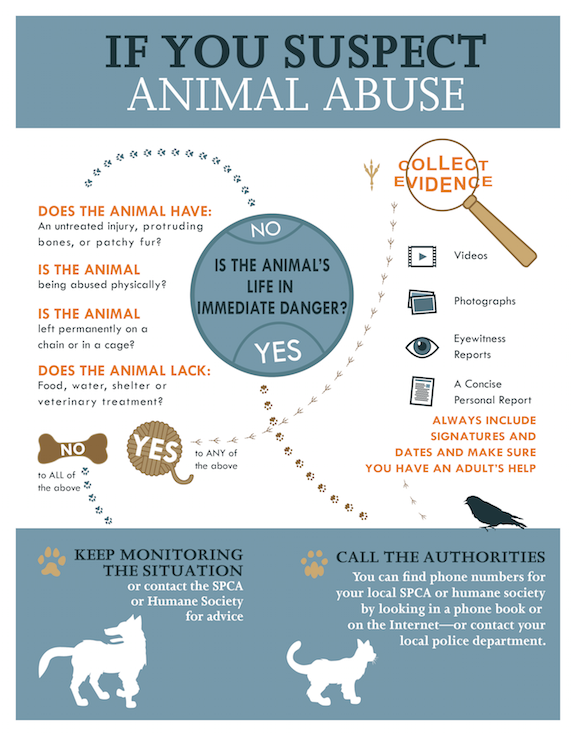
In an age dominated by digital connectivity, social media serves as a powerful vehicle for spreading awareness. Harnessing platforms such as Facebook, Twitter, and Instagram can amplify your message, allowing it to traverse geographical boundaries with astounding velocity. Creating visually compelling content, such as infographics and poignant videos featuring rescues and stories of rehabilitation, can captivate a diverse audience, stimulating engagement and conversation.
A dedicated hashtag campaign can unify posts, making it easier for individuals to find and share content related to animal cruelty awareness. Organizing virtual events, such as online fundraisers or awareness days, can draw people in, inciting participation from the comfort of their homes. Collaborating with influencers committed to animal rights can help enhance reach, creating an intricate web of awareness that binds the community together.
Organizing Community Events
Human beings are inherently social creatures, drawn into shared experiences. Organizing community events centered around animal welfare can create unforgettable memories while bolstering awareness. Consider hosting outdoor festivals, where both humans and their pets can participate in activities that promote responsible pet ownership. These festivals could include educational booths, adoption drives, and even fun contests that encourage interaction with adoptable animals. The concept of a “Pet Walk,” where participants traverse local parks with their pets, can foster connections and raise funds for animal shelters simultaneously—an excellent display of unity in compassion.
Crafting events that encourage local businesses to participate can further enhance the appeal. Collaboration could lead to joint promotions where a percentage of sales goes to local animal-related charities, intertwining commerce with philanthropy. The pivotal message is clear: it is a communal responsibility to protect and advocate for those who cannot advocate for themselves.
Advocacy and Legislative Engagement
Awareness is not solely about education; it’s equally about wielding influence to enact change. Engaging with local government and advocating for animal rights legislation can have far-reaching implications. Mobilizing community members to advocate for stronger animal protection laws requires organized efforts. Forming a local advocacy group allows individuals to channel their passion into tangible results; this collective force can urge local representatives to consider animal welfare in their legislative agendas.
Encouraging community members to participate in public hearings, sign petitions, or contact their elected officials about animal rights issues can create ripples of change. By improving legal frameworks, you elevate the standard of care for animals, dissuading potential abusers and empowering law enforcement.
Celebrating Success Stories
As the journey toward raising awareness unfolds, it is crucial to celebrate victories, both large and small. Highlighting local success stories—whether it’s a shelter that successfully placed a large number of animals or a community that collectively revised ordinances to protect animals—can invigorate efforts and showcase the impact of collective action. These narratives can serve as both inspiration and motivation, illustrating that change is achievable when a community unites for a cause.
Conclusion
In cultivating awareness about animal cruelty within your community, remember the metaphor of the garden: it requires consistent effort, collaboration, and nurturing. By implementing educational initiatives, leveraging the power of social media, organizing engaging community events, advocating for stronger legislation, and celebrating successes, you will cultivate a more compassionate society. Each small action contributes to a larger movement, and together, the seeds of awareness will flourish, leading to a world where animals are treated with the dignity and respect they inherently deserve.