Animal cruelty is a pervasive issue that touches hearts and minds across the globe. This grim reality provokes a multitude of emotions—anger, helplessness, and a deep desire for change. While we ultimately seek to protect our most vulnerable companions, the question lingers: How do we channel our outrage into effective action? The answer may lie in making an animal cruelty report online. Just how simple is this endeavor? And what challenges might we face along this compassionate journey?
The process of reporting animal cruelty has evolved significantly with advancements in technology. In a world increasingly reliant on digital means for communication, reporting such incidents online allows for a swift and efficient way to relay crucial information to authorities or dedicated organizations. Additionally, many platforms provide user-friendly interfaces that empower individuals to take action with just a few clicks. Yet, while navigating these avenues, one must also remain cognizant of potential obstacles that may arise.
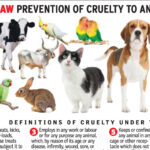
First, it is essential to understand what constitutes animal cruelty. The term “animal cruelty” encompasses a range of actions, from neglect and abandonment to outright abuse and violence. Recognizing these indicators is paramount; it can catalyze timely intervention. Signs of distress in animals—such as physical injuries, poor living conditions, or signs of starvation—should be taken seriously and reported immediately.
When preparing to make an online report, thorough documentation can bolster credibility and enhance the chances of a successful response. Capturing photographs, noting specific details about the location, and identifying the individuals involved can provide necessary context for investigators. Digital technology empowers us as advocates, allowing for the swift transfer of this information. But which platforms should one utilize? Trust forms the foundation for effective reporting, and choosing a credible outlet is essential.
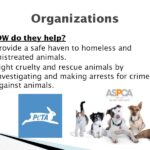
Among the numerous online platforms available, certain organizations have established themselves as trusted resources. Animal welfare organizations, such as the ASPCA, Humane Society, and local animal control agencies, often offer online reporting forms. These organizations bear substantial expertise in dealing with reports of cruelty and actively engage in investigations. When utilizing these sites, it is important to adhere to their specific guidelines and methodologies for submitting reports.
One might ask, “How do I know if my report will make a difference?” This is a valid concern and reflects a broader struggle shared by many advocates for animal welfare. Indeed, the landscape of animal protection is intricate and rife with systemic challenges. Some reports may go unaddressed or result in inadequate follow-up; frustration can set in, leading to doubt about whether the effort was worthwhile. However, it is crucial to remember that every report contributes to establishing a pattern of abuse within a community. Each individual action has the potential to reshape the future of animal welfare.
Consider also the implications of anonymity. Many platforms allow for anonymous reporting—this can relieve the tension inherent in such a sensitive undertaking. However, anonymity may lack the weight of a report backed by contact information, leaving authorities less equipped to investigate effectively. Striking a balance between personal safety and actionable accountability can prove tricky, yet it remains a critical facet of the reporting process.
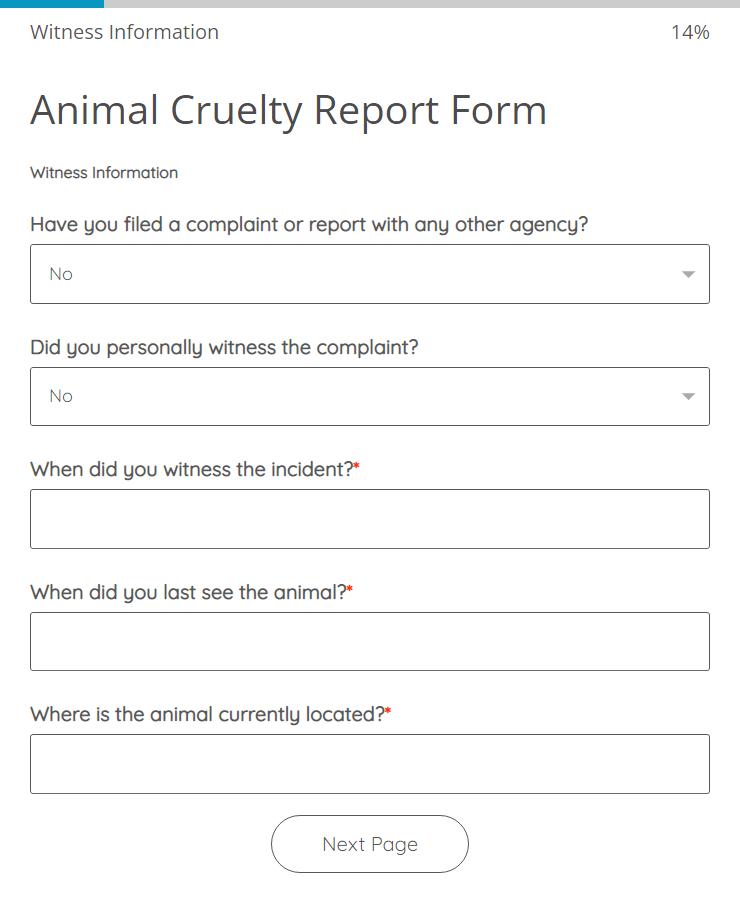
Tools designed to facilitate online reports often provide straightforward instructions. Users can typically expect to fill out a form detailing the nature of the cruelty identified, alongside any evidence collected. Complexity should not deter hope—the forms are structured to gather essential information methodically. Even so, loops in bureaucracy can impede immediate action. Many advocates find themselves faced with the daunting reality of slow responses from authorities. Perseverance becomes a hallmark of effective advocacy.
Furthermore, the landscape of animal protection initiatives and regulations varies dramatically by region. This variance is a crucial component of understanding how to navigate the reporting process effectively. Familiarizing oneself with local laws, ordinances, and animal welfare provisions fosters a robust framework for action—a useful approach that can aid in fortifying the report with relevant legal context. In some jurisdictions, multiple avenues exist for reporting violations; engaging with these might amplify the deterrence of animal cruelty as a whole.
A particularly engaging medium is social media. Integrating reporting tools with a social media strategy can enhance visibility and engagement within local communities. Sharing basic guidelines for reporting and spotlighting issues through platforms like Facebook, Twitter, and Instagram can mobilize community members to unite against animal cruelty. Digital activism enhances collective advocacy, facilitating camaraderie grounded in empathy and concern for animal rights. Yet, each share warrants critical evaluation—fact-checking and ensuring the accuracy of shared content serves to build trust and maintain integrity in the movement.
In conclusion, the digital landscape has transformed how we address and report animal cruelty. Empowering ourselves through technology equips ordinary citizens with the tools necessary to stand against injustices faced by animals. While navigating this terrain indeed poses challenges—from choosing the right platform to contemplating the efficacy of reports—each individual effort contributes toward a larger movement. Let this be a clarion call to engage actively. From filing reports online to leveraging community resources, the fight against animal cruelty requires unwavering commitment and collective action, forging an indelible mark towards a future where all creatures live free from abuse and neglect. Pursue justice for the voiceless; every action counts.