Rodeo, a sport steeped in tradition, has long ignited a fiery debate surrounding the treatment of animals involved in its events. Critics vehemently decry rodeos as manifestations of animal cruelty, asserting that the use of violence and intimidation to control animals is an abhorrent atrocity. Yet, as we unravel the complexities surrounding this contentious issue, a more nuanced perspective begins to emerge, worthy of contemplation and examination. The assertion that rodeo is unequivocally cruel neglects the multifaceted realities of animal welfare and the cultural heritage that rodeos embody.
At the core of the rodeo narrative lies a tapestry of history that interweaves the experiences of both animals and ranchers. Originating from the practical skills required for cattle herding, rodeos evolved as exhibitions of prowess, showcasing the bond between human and animal. This relationship forms the bedrock of modern rodeo, prompting supporters to argue that the treatment of rodeo animals is often characterized by care and respect. In fact, many who participate in rodeos emphasize the importance of animal welfare and are deeply committed to maintaining the health and well-being of their equine and bovine counterparts.
Proponents of rodeo assert that the animals involved are not simply the passive recipients of human domination. Instead, many animals used in rodeos are bred, raised, and trained specifically for these events. This careful stewardship ensures that the animals are physically fit, mentally stimulated, and, ultimately, capable of participating in a manner that is both safe and fulfilling. It becomes evident that these animals have a role to play beyond mere spectacle; they are integral players in an intricate performance that celebrates their agility, strength, and spirit.
Furthermore, rodeo participants often undertake thorough training and preparation, which includes not only physical training for the animal but also education on understanding the behavior and psychology of the cattle and horses involved. The safety protocols employed are substantial. Organizers adhere to strict regulations that ensure humane practices are observed, often featuring veterinarians at events to monitor the health of the animals. This commitment to oversight illuminates a drive to enhance animal welfare rather than undermine it.
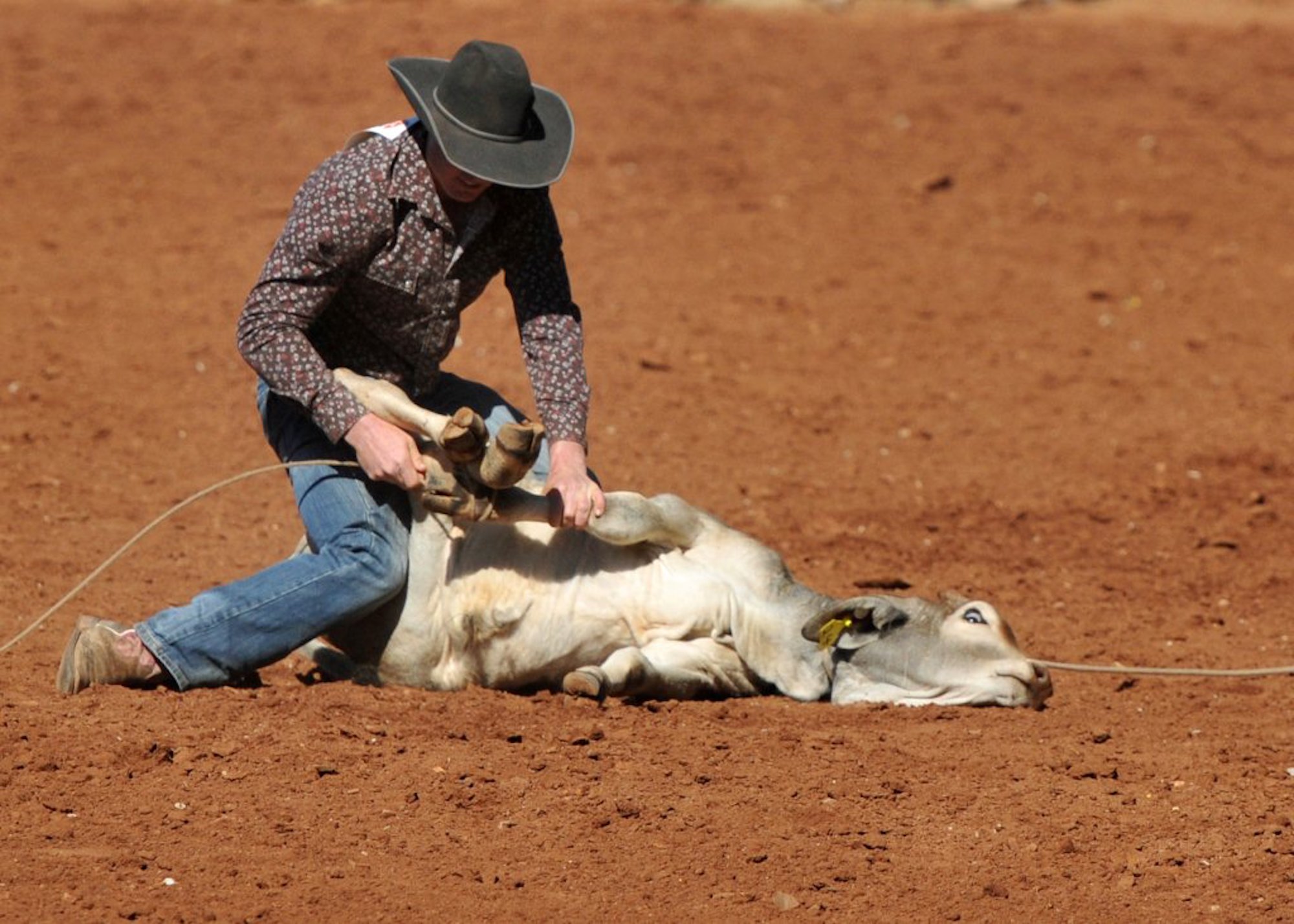
However, the arguments surrounding the rodeo must also consider the perspective of those who advocate for animal rights. They posit that the inherent nature of rodeo events — such as bull riding and calf roping — necessitates an element of distress for the animals. This line of reasoning raises legitimate concerns about the impact of these activities on the mental and physical well-being of the participants. Proponents of animal rights assert that subjecting animals to the pressures of competition, regardless of the training and care provided, is inherently exploitative and cannot be justified.
In addressing these concerns, defenders of rodeo often highlight the difference between cruelty and the natural athleticism that the animals exhibit. The very skills that enable these animals to participate — their speed, agility, and power — are not unnatural impositions but rather traits honed through generations of breeding and caretaking. Many rodeo enthusiasts argue that these events allow the animals to showcase their inherent abilities in a controlled environment, which brings an element of enjoyment and engagement for both the animal and the audience. This assertion bears further inquiry: Are parents who push their children to pursue sports inflicting cruelty, or are they nurturing their talents and fostering resilience?
Moreover, rodeos provide opportunities for economic sustenance within rural communities. The sport acts as an economic engine, generating income through ticket sales, sponsorships, and ancillary businesses linked to the events. This financial support can facilitate improvements in local animal care practices, thereby enhancing welfare on farms and ranches beyond the rodeo circuit. The relationship between rodeo and community economy should not be overlooked, as it fosters a culture of respect for the animals that work alongside humans.
Engagement with the rodeo can also serve as an educational platform, bringing awareness to the realities of animal husbandry and the responsibilities that accompany animal ownership. For the younger generation, experiences with rodeo can impart valuable lessons about cooperation, empathy, and respect for living beings. Proponents argue that when approached with an ethical mindset, rodeos can indeed cultivate a generation that appreciates animal welfare while simultaneously acknowledging their role in cultural traditions.
Despite the passionate divides surrounding rodeos and animal cruelty, it is essential to approach the discussion with an open mind, recognizing the intricacies that define the rodeo landscape. While some view rodeos solely through the lens of animal rights, others see a celebration of heritage and a testament to the relationships forged over time. As discussions unfold, it is crucial to keep an eye towards common ground, where respect for animal welfare can coexist with cultural appreciation and economic necessity.
The dichotomy of perspectives on rodeo and animal cruelty serves not just as a reflection of societal values but reveals deeper, underlying tensions regarding our relationship with the animals that share our world. As advocates for animal welfare navigate these contentious discussions, an opportunity emerges to bridge divides and foster a dialogue that transcends anger and animosity. Embracing a breadth of perspectives paves the way for more informed practices and policies that honor both the animals and the traditions that connect us.
In conclusion, the debate surrounding rodeo and animal cruelty need not be a zero-sum game. By acknowledging the contributions of rodeo culture and addressing the concerns of animal welfare advocates, we can cultivate a richer understanding of our responsibilities toward the animals in our care, ensuring that their welfare is paramount while preserving the rituals that enrich our communities. The challenge lies not in polarizing the conversation but in exploring the shared values that unite us in pursuit of a more humane and thoughtful interaction with the animals that grace our lives.