In contemporary discussions surrounding ethics, the moral implications of our treatment of animals invariably arise. The societal narrative often posits a direct correlation between cruelty to animals and the essence of one’s character. However, the inquiry—does cruelty to animals make you a bad person, or something worse?—is far more intricate than it appears. Unraveling this conundrum invites us to examine the broader implications of such behavior, both individually and collectively.
At first glance, the answer might seem straightforward; after all, inflicting pain on any sentient being conjures images of malevolence. Yet, to hastily condemn individuals engaging in such acts may mask deeper, systemic issues. It necessitates a shift in perspective, urging us to explore the motivations and circumstances surrounding acts of cruelty as well as the cultural narratives that foster them.
One aspect worth considering is the psychological underpinnings of cruelty. Research has indicated a link between animal abuse and a range of behavioral dysfunctions. Individuals who exhibit a disregard for animal welfare often struggle with empathy and emotional intelligence. For some, this inability to connect with creatures less powerful than themselves could be a reflection of their upbringing or societal conditioning. In volatile environments, where aggression is modeled as a measure of strength, susceptibility to such behavior increases. Thus, the question emerges: Is the perpetrator a “bad person,” or merely a product of their environment?
Intriguingly, the framework of empathy extends beyond mere feelings of compassion. Cognitive empathy—understanding and intellectualizing others’ feelings—might exist even in those who commit acts of cruelty. Meanwhile, emotional empathy—experiencing the feelings of others—could be impaired. This dichotomy suggests that the cruelty exhibited may stem not only from malice but rather from an unsettling disconnect in emotional processing. Individuals might recognize that what they are doing is wrong, yet feel detached enough to perpetrate violence regardless. Hence, the behavior does not necessarily denote a lack of morality but rather a profound emotional impairment.
Moreover, the sociocultural context could amplify these tendencies. In societies where animals are viewed primarily as commodities or resources, animal welfare may not just be neglected but actively subverted. Cultural attitudes towards animals can desensitize individuals, normalizing cruelty and trivializing the suffering of other beings. Such a prevailing mindset creates a pervasive atmosphere where cruelty might not only be unpunished but also tacitly encouraged.
This exploration extends beyond individual behavior to include systemic factors. The industrialization of agriculture is arguably one of the most conspicuous manifestations of normalized cruelty. In factory farming operations, animals are often subjected to intensive confinement, deprivation of natural behaviors, and brutal slaughtering techniques—all legitimized under the guise of efficiency and profit. In this context, complicity within a system that commodifies suffering raises the question of collective moral responsibility. Are we, as consumers, complicit in the cruelty that pervades these systems? Each purchase decision is a tacit endorsement of practices that may perpetuate suffering, positioning us within the moral equation of animal rights.
While cruelty to animals undeniably evokes a visceral response, it is crucial to probe the implications of labeling individuals as “bad.” Such labels often elicit defensiveness, further entrenching the ideologies that underpin their harmful behaviors. When people are condemned rather than educated, a valuable opportunity for transformation is squandered. Instead of scapegoating, advocacy should aim to illuminate the pathways towards empathy, compassion, and awareness. Effective dialogue fosters introspection and encourages individuals to confront their biases and behaviors. It is also vital to encourage a more profound understanding of the intrinsic value of animals, prompting a critical reevaluation of our relationships with nonhuman beings.
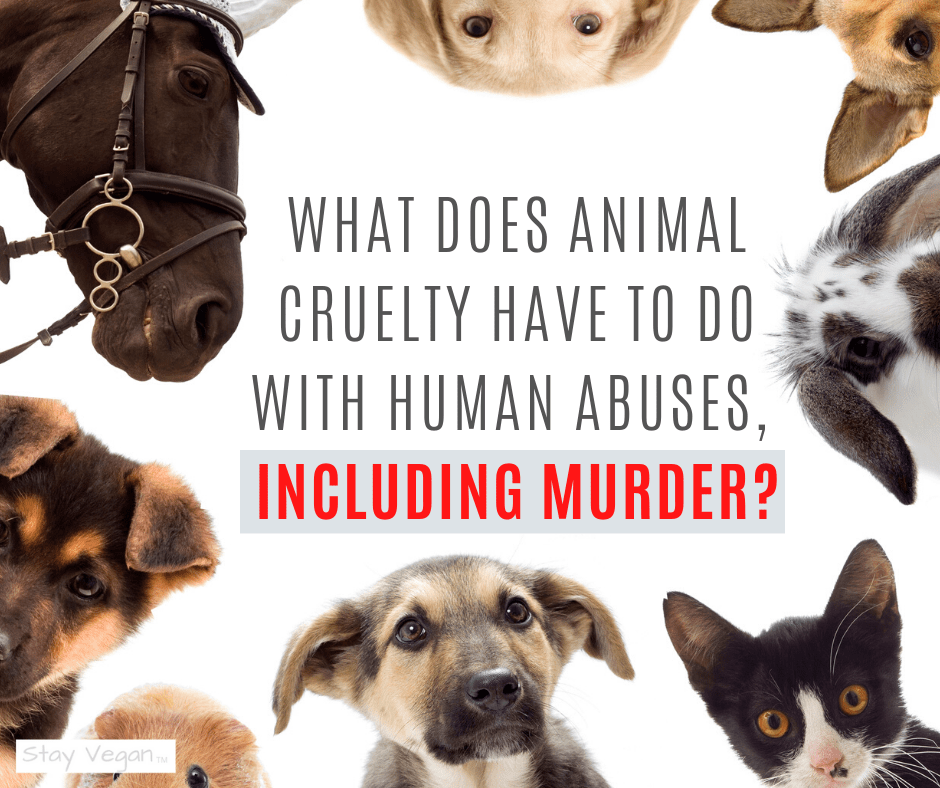
Furthermore, the implications of animal cruelty ripple outward, potentially influencing human relationships. Studies have illuminated a disturbing correlation between histories of animal abuse and interpersonal violence. This nexus suggests that those who exhibit cruelty may be channeling underlying aggression or unresolved trauma. Such behavior may ultimately reflect a broader spectrum of emotional dysregulation, indicating potential threats to human welfare as well. Therefore, tackling animal cruelty is not merely a matter of ethics; it is also about safeguarding the fabric of society itself.
To catalyze change, we must embrace education as a pivotal strategy. Interventions aimed specifically at children and young adults can forge a sense of responsibility towards animals that persists throughout their lives. Humane education programs, which embed empathy and ethical consideration into curricula, equip future generations with the tools they need to cultivate compassionate relationships with all living beings. Through fostering emotional intelligence, we can counteract the cycle of cruelty that has persisted for too long.
In conclusion, while cruelty to animals indeed raises valid concerns about morality, labeling individuals as “bad” overlooks the intricacies of human psychology, societal influences, and systemic issues. Understanding the multilayered motivations behind such behaviors reveals a path forward, one premised on education, empathy-building, and systemic change. The transformation lies not in condemnation but in fostering an awareness that transcends speciesism. It is a call to redefine our relationship with the world around us and commit to a future where compassion reigns—both for animals and humanity.