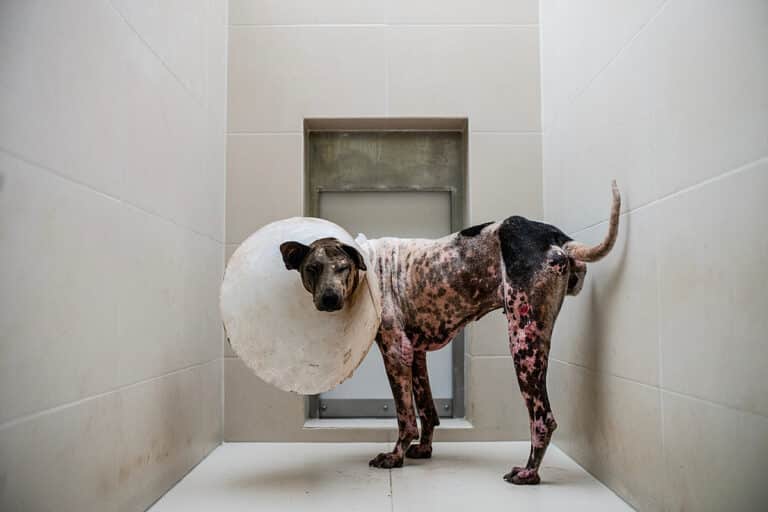
Animal cruelty is often viewed through a narrow lens, one that typically focuses on domestic pets and companion animals. However, the stakes are much broader, encompassing livestock as well. The heart-wrenching images of suffering animals in factory farms should prompt a fundamental question: does animal cruelty apply equally to livestock as it does to pets? Delving into this question necessitates a thorough exploration of legal definitions, societal values, and ethical considerations surrounding animal welfare.
To understand animal cruelty fully, we must first establish what it entails. At its core, animal cruelty refers to the intentional infliction of pain or suffering against an animal. While this definition serves as a foundation, the nuances of its application vary dramatically based on context and species. In the eyes of the law, distinctions are made not just based on the nature of the acts but also on the categorization of the animals involved. This dichotomy between livestock and pets is a significant and contentious issue.
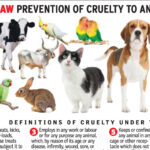
In many jurisdictions, legal definitions of animal cruelty differ for livestock and pets, often to the detriment of the former. For instance, while the law may impose harsh penalties for harming a pet, the same legislative frameworks can permit certain treatment of livestock that would be considered outright abuse if inflicted on dogs or cats. In essence, it becomes an ethical paradox where the worth of an animal is unjustly calculated based on its utility to humans. In the eyes of the law, the cow may be perceived primarily as a source of milk and beef, while the family cat is viewed as a companion.
This leads to a profound moral inquiry: why do we as a society differentiate between these living beings based solely on their perceived roles? One might argue that the heart of this issue lies in a broader cultural narrative that prioritizes the human-animal bond in companion animals while relegating farm animals to mere commodities. As a consequence, livestock can often be subjected to brutal conditions that would be met with outrage if inflicted upon pets.
Take, for example, the conditions of factory farming, where cows are routinely kept in cramped, unsanitary spaces that severely impede their natural behaviors. Pigs may find themselves confined in gestation crates, rendering them unable to turn around for much of their lives. These practices not only reflect a disregard for animal welfare but also exemplify a legal framework that fails to adequately protect these sentient beings. The agonizing irony is that the very animals who contribute vastly to human sustenance may endure heinous suffering, all under a veil of regulatory inadequacy.
To combat this dissonance, some activists advocate for a reevaluation of the legal standards governing farm animals. The push for stronger animal welfare laws is gaining momentum, spurred on by a growing awareness among consumers regarding the origins of the meat and dairy products they consume. The concept of “humane farming,” while contentious, seeks to bridge the chasm between animal welfare and agricultural practices. However, one must question whether such measures go far enough in addressing the underlying issues of animal cruelty.
The crux of the matter centers on the idea of sentience. Scientific studies demonstrate that many livestock species possess complex emotional lives similar to those of pets. Cows express joy and distress, pigs exhibit problem-solving skills and social bonds, and chickens form hierarchical social structures that reflect their need for community and affection. By recognizing the emotional and cognitive capabilities of these animals, we can begin to dismantle the archaic views that allow for their mistreatment.
From a philosophical standpoint, the moral implications of animal cruelty must be weighed against economic and societal factors. The economic argument against enforcing stricter animal welfare laws often hinges on the perception that such regulations could pose a financial burden on farmers. However, this perspective neglects the broader ethical obligation to treat all living beings with respect and dignity. When we prioritize profit over compassion, we enter a morally perilous territory where cruelty becomes commonplace.
Moreover, consumer behavior can significantly influence the treatment of farm animals. By opting for meat, dairy, and eggs from humane sources, consumers can drive demand for kinder farming practices. This shift could encourage producers to adopt more ethical approaches, creating a ripple effect throughout the agricultural industry. As awareness and advocacy grow, the potential for reform becomes increasingly tangible.
As advocates for change, animal rights supporters must continue to push for a unified standard that applies equitably to all animals, regardless of their classification as pets or livestock. In doing so, society can begin to challenge the deeply ingrained perceptions that contribute to systemic cruelty. Legal reformation is one avenue, but cultural change is imperative; fostering empathy toward all species—companions and commodities alike—is essential in creating a humane world.
In conclusion, the conversation surrounding animal cruelty must evolve, moving beyond the simplistic dichotomy of pets versus livestock. Both categories deserve recognition and protection from harm. The moral and legal landscapes are changing, yet there remains a proverbial mountain to climb. By confronting these truths head-on, we can begin to dream of a world where animals are valued for their intrinsic worth rather than their utility, fostering a climate of compassion that recognizes the sanctity of all life.