The intersection of puppy mills and animal cruelty represents a harrowing chapter in the narrative of animal welfare. Understanding the profound implications of this connection requires a thorough investigation into the practices that define puppy mills and the consequent suffering inflicted upon helpless animals. This examination does not merely serve as an exposé; it critiques a systematic issue that resonates with many who hold the welfare of animals dear.
Puppy mills, often characterized as large-scale commercial breeding operations, aim to maximize profit rather than prioritize the health and well-being of the animals. These facilities are notorious for overcrowding, inadequate veterinary care, and deplorable living conditions, leading to a stark contrast with the expectations of responsible breeding. The driving motivation is the commercialization of companion animals, which mercilessly commodifies living beings, reducing them to mere monetary value.
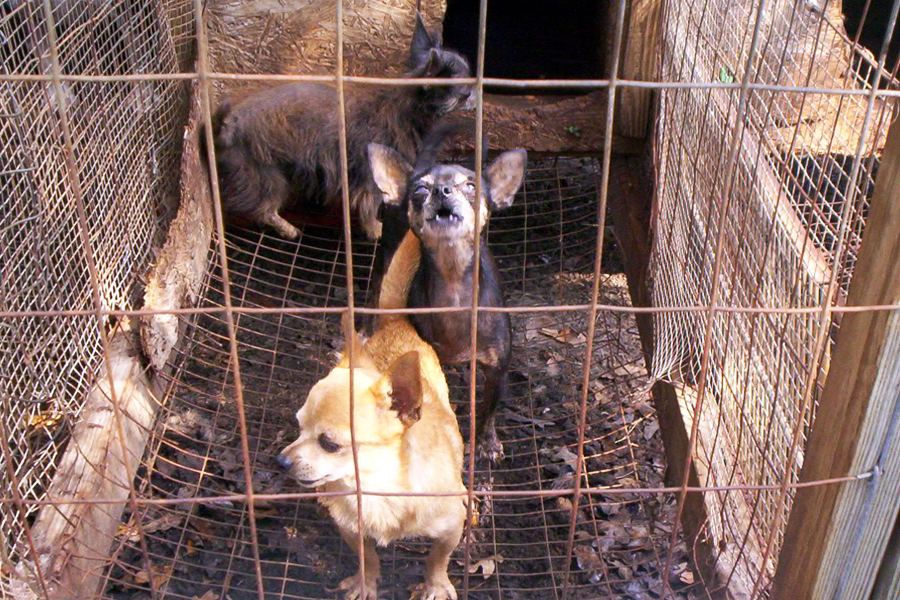
Typically, one might visualise a puppy mill as a dilapidated building echoing with the sounds of distress. Dogs are often confined in cramped cages, bereft of adequate social interaction, exercise, or even basic sanitation. The stark absence of humane treatment extends beyond mere neglect; it morphs into a reality where these creatures endure chronic physical ailments. Many of these puppies are bred indiscriminately, leading to genetic disorders that compromise their health and vitality from the onset of their lives.
The negative repercussions of these breeding practices reverberate beyond the individual pups. The disturbing reality is that these animals are then sold to unsuspecting buyers, often through pet stores or online platforms. This commercial cycle perpetuates the notion that breeding can occur devoid of ethics or responsibility, which tragically normalizes animal cruelty. Consumers, often unaware of the origins of their newly-acquired pets, inadvertently support this nefarious industry by purchasing animals bred under abhorrent conditions.
Transitioning from the operational mechanics of puppy mills to the ethical implications raises critical questions about societal responsibilities. The link between puppy mills and animal cruelty invites contemplation on consumer behavior. Are individuals cognizant of the purchasing power they wield? Buying decisions can either perpetuate the cycle of cruelty or foster a movement towards humane practices. Educating consumers serves as a pivotal aspect of combating this issue; raising awareness about the sources of pets encourages responsible choices that can drive demand for ethically bred animals.
Moreover, the psychological toll on breeders and workers involved in such facilities cannot be overlooked. The desensitization to suffering that can develop within an environment designed for maximum profit at the expense of empathy fosters a culture of apathy towards animal welfare. This systemic issue reveals a dichotomy—the profit-driven model that supports cruelty juxtaposed with the compassion ingrained in genuine care for animals.
The advocacy for change is rooted in the recognition of current challenges and the potential for reform. Legislative measures play a crucial role in addressing the consequences of puppy mills. Various regions have enacted laws aimed at regulating breeding standards and enforcing humane treatment of animals. However, the inconsistency in enforcement remains a significant barrier to effectively combating the pervasive nature of puppy mills. Advocates urge for nationwide uniformity in legislation to protect animal welfare and effectively curb the proliferation of unethical breeding practices.
Formal education serves another cornerstone in the fight against puppy mills. Creating comprehensive educational programs that inform prospective pet owners about the realities of puppy mills and the importance of adoption or sourcing from reputable breeders can cultivate a more informed society. The emphasis should extend to highlighting adoption as a viable and commendable alternative. Shelters and rescue organizations often harbor thousands of animals yearning for a loving home, simultaneously alleviating the burden on overwhelmed shelters and mitigating the demand for puppies from mills.
Highlighting the inspiring stories of rescued animals can galvanize individuals to take action. These narratives, filled with resilience and hope, serve as poignant reminders of the sentience of animals and the atrocities they endure as a result of their circumstances. By sharing such stories, advocates can foster empathy and motivate the public to engage more deeply with issues of animal welfare.
Community involvement acts as a catalyst for profound change. Grassroots movements that promote awareness, advocate for policy reforms, or organize rescue missions have the power to alter public perception and combat systemic issues within the breeding industry. Collaborations with veterinarians, animal welfare organizations, and local communities can generate a multifaceted approach to dismantling the structures that enable puppy mills to proliferate.
In conclusion, the insidious connection between puppy mills and animal cruelty demands vigilant scrutiny and a concerted response. Recognizing the roles of legislation, education, advocacy, and community engagement offers pathways toward systemic reform that prioritizes the welfare of animals over profit. Every individual possesses the potential to influence change, whether through responsible pet ownership, adopting rather than shopping, or participating in advocacy initiatives. Unraveling the disturbing link between puppy mills and cruelty is not merely an exercise in exploration; it is a call to action, urging society to confront and dismantle the pervasive culture of cruelty that plagues our connection with animals.