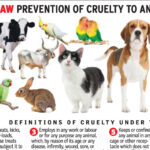
In the labyrinthine corridors of justice, the fate of countless animals hangs delicately in the balance. Each year, jurisdictions grapple with the classification of cruelty—an act that transcends mere negligence and spirals into grievous malfeasance. The trials that arise from such heinous acts evoke a myriad of questions, particularly the effectiveness of jury convictions in animal cruelty cases. Are juries, burdened by preconceived notions, able to sift through emotions to uncover the truth? Or do the scales of justice tip precariously, often nodding leniency toward offenders? This exploration delves deep, disentangling the nuances enmeshed in legal proceedings surrounding animal cruelty.
To understand the dynamics at play, one must first consider the underlying societal perceptions of animals. Historically, animals have often been relegated to a secondary status, viewed more as property than sentient beings. This antiquated perspective seeps into the courtroom, where jurors may unconsciously reflect biases ingrained in the cultural consciousness. Yet as society evolves, so do the laws intended to protect these voiceless victims. In regions with stringent animal welfare statutes, there exists a palpable expectation for juries to respond decisively to egregious acts of cruelty. Here, the potential for conviction looms larger.
However, the reality is far from straightforward. The intricate balance of emotion and rationality can lead jurors into tumultuous waters. Consider the case of a beloved family dog, savagely mistreated by its owner. In such a scenario, the visceral indignation stirred among jurors may bolster the likelihood of a conviction. Yet, conversely, if the defendant presents a narrative of hardship or misfortune, the empathy might cloud judgment, leading to a reluctance to impose severe penalties. This duality illustrates the convoluted nature of jury decision-making processes in animal cruelty trials.
The legal framework surrounding these trials can be labyrinthine. The statutes governing animal cruelty vary widely from one jurisdiction to another. Some regions uphold a zero-tolerance stance, mandating strict penalties for offenders, while others take a more lenient approach, treating offenses as misdemeanors rather than felonies. This inconsistency creates a patchwork of legal consequences that can perplex juries. How does one reconcile local statutes with the inherent moral imperative to protect vulnerable creatures? The law must reflect society’s evolving sensibilities, yet the judicial system often lags, resembling a ship at sea tethered to a distant lighthouse.
Analyzing the statistics surrounding convictions provides further insight into this tortuous path. Studies demonstrate that while there is a growing trend towards stricter enforcement of animal welfare laws, the conviction rates still display disparities. In some regions, as few as 10% of animal cruelty cases result in a jury conviction. This disheartening statistic invites scrutiny of process and procedure. Are jurors adequately informed about the severity of offenses? Do they recognize the long-lasting implications of their verdicts on both the victims and society as a whole? The answers remain as elusive as the shadows lurking in the corners of courtroom galleries.
As juries deliberate, the emotional weight of the evidence introduced during trials can profoundly sway their decisions. Graphic descriptions of animal suffering can create an atmosphere charged with indignation, compelling jurors to take a stand against cruelty. However, the opposite can be true as well. Defense attorneys often employ compelling narratives that tap into juror sympathy, portraying perpetrators as products of their circumstances, thereby inviting leniency. The intricate dance between the prosecution and defense unfolds like a two-sided tapestry, each thread finely woven with emotional resonance and logical reasoning.
Moreover, the psychological dynamics within the jury room warrant examination. Social dynamics come into play, as jurors often form alliances based on shared experiences or beliefs about animal welfare. Such alliances can significantly influence the deliberation process. One juror’s steadfast conviction towards a stringent punishment might be swayed by another’s more lenient stance, creating an internal tug-of-war that could lead to compromised verdicts or mistrials. This human element in judgment is a testament to the complexities of the jury system—each individual bearing the weight of their conscience as well as the collective morality of society.
Thus, as we explore the complexities of animal cruelty trials, it becomes evident that the legal outcomes are far from predictable. The interplay between emotion, societal norms, psychological dynamics, and variances in legal frameworks all contribute to a complex tapestry that juries must navigate. The undeniable reality is that animal cruelty convictions frequently hinge not only on the facts presented but also on the lens through which those facts are viewed—both as individuals and as a collective body.
Moving forward, it is imperative to continue advocating for comprehensive educational programs for jurors that elucidate the severe implications of animal cruelty and foster a more robust understanding of animal welfare issues. Additionally, there must be a concerted effort to promote consistent legislation across jurisdictions to provide steadiness in legal outcomes. Only then can the scales of justice be genuinely balanced, ensuring that every act of cruelty is met with appropriate consequences, resonating with a societal commitment to protecting our voiceless companions.