In a world where the plight of animals often takes a backseat to pressing human issues, the conversation surrounding animal welfare occasionally rears its head in unexpected ways. One such instance occurred when Donald Trump signed the Preventing Animal Cruelty and Torture (PACT) Act into law in 2019. This legislation was heralded by many as a significant step forward in protecting animals from egregious acts of cruelty by making certain acts of animal cruelty a federal felony. However, as is often the case in the political arena, the implications of this law deserve a more nuanced examination. Did Trump indeed elevate the status of animal welfare, or was this gesture merely a superficial act, fit for the headlines, but lacking in substantial commitment?
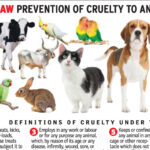
To understand the broader implications of the PACT Act, one must first delve into the contents of the law itself. The act prohibits specific malicious acts toward animals, such as crushing, drowning, suffocating, and burning, establishing penalties that include prison time and hefty fines. Such measures signal a decisive stance against animal cruelty at the federal level, marking a notable shift in legal attitudes toward animal protection. Nonetheless, immediate questions arise: how effectively can such laws be enforced? Can mere legislation bring a significant change in societal attitudes towards animals? The complexity of these inquiries suggests that legislative action, while necessary, is only the tip of the proverbial iceberg in the battle against animal cruelty.
One core observation centers around the perception of animal cruelty as broadly defined and often socially permitted. While the PACT Act targets specific heinous acts, animal cruelty exists on a much wider spectrum that runs deep within societal norms and behaviors. The adoption of such legislation begs the question: does it simply criminalize certain acts or does it foster a transformative shift in how society perceives its responsibilities toward all sentient beings? A glance at the agricultural and entertainment industries reveals countless legal practices that may not fit the definitions of cruelty enshrined in law, yet often subject animals to forms of suffering that are both systematic and pervasive.
Enforcement mechanisms for the PACT Act present another layer of complexity. The coordination between federal and state authorities is a critical factor in ensuring that those who commit acts of animal cruelty face the repercussions of their actions. Unfortunately, animal cruelty laws, including the PACT Act, operate against a backdrop of differing state laws, which can render the enforcement inconsistent. For instance, many states have their own animal welfare statutes that vary in severity and scope. Thus, while PACT is a federal law, its effectiveness may depend on jurisdictional interpretations and local enforcement practices.
Beyond enforcement, the psychological facets of animal cruelty warrant attention. The fascination with such laws often stems from a societal desire to position ourselves as defenders of the marginalized, exerting control against what many perceive as indiscriminate cruelty. Animal welfare activism, in part, reflects a deeper inquiry into the ethical standards we uphold as a society. The ability to coexist with and protect vulnerable beings speaks volumes about our moral compass. When legislation like the PACT Act is enacted, it sends a dual message: it signifies a limitation on cruelty while simultaneously inviting a broader conversation about empathy and humane treatment.
Moreover, legislative efforts such as the PACT Act can be seen as a reflection of changing societal attitudes towards animals. Increasing awareness surrounding animal rights catalyzes movements that question the integrity of traditional animal industries, prompting consumers to reconsider their choices. Even though laws are established, they are born out of public sentiment and, often, the impassioned voices of activists advocating on behalf of those who cannot speak for themselves. In this sense, the PACT Act may be less about the act of legislation itself and more about a cultural shift that calls for a reevaluation of what is acceptable in our treatment of animals.
However, it is crucial to recognize that legislation alone cannot remedy the root causes of animal cruelty. The complexities of human behavior, societal misconceptions, and systemic injustices intertwine to create an environment where cruelty persists despite the presence of laws designed to combat it. Legal measures like the PACT Act may serve to elevate the discourse on animal rights, but they do not function in isolation. Comprehensive change demands a concerted effort that includes education, community engagement, and a shift in consumer practices.
The PACT Act may have made animal cruelty a federal felony, but the narrative surrounding animal rights is multifaceted and layered. While it represents a commendable step forward, it also unveils a plethora of societal challenges that must be confronted head-on. The true measure of progress lies not simply in legislative accomplishments but in a society’s ability to embody compassion for all living beings.
Ultimately, as we reflect on Trump’s signing of the PACT Act, it serves as a catalyst for a larger movement—one that encourages relentless advocacy for a world where the rights of animals are recognized, where cruelty is universally condemned, and where ethical treatment becomes a non-negotiable standard. For the fight against animal cruelty to be effective, it must blend legal frameworks with a change of heart, compelling individuals to transcend the barriers of indifference. Only then can we hope to foster a truly humane world that respects and protects the intrinsic value of all creatures.