In recent years, the discourse surrounding animal rights has garnered significant attention, especially with the enactment of laws aimed at curtailing animal cruelty. Among these legislative efforts, one notable piece is the Preventing Animal Cruelty and Torture (PACT) Act, signed into law during Donald Trump’s presidency. This pivotal legislation ostensibly elevates animal cruelty from a misdemeanor to a felony at the federal level and has sparked myriad discussions regarding its implications and effectiveness. But did Donald Trump, indeed, make animal cruelty a felony? Let’s delve into the intricacies of the PACT Act.
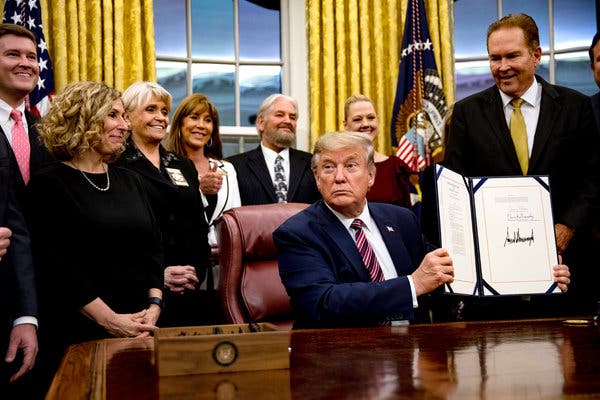
The PACT Act was signed into law on November 25, 2019, amidst growing public awareness of and advocacy against animal cruelty. Prior to this legislation, many acts of animal cruelty were merely categorized as misdemeanors under various state laws, leading to inconsistent enforcement and, in some cases, insufficient penalties for abhorrent acts. The PACT Act, however, aims to unify and fortify these measures by allowing federal authorities to prosecute acts of animal cruelty, including those committed in the form of crushing, burning, drowning, suffocating, or impaling animals, among other heinous acts.
Under this law, animal cruelty is defined more comprehensively, ensuring that it encompasses not just direct acts of harm, but also those that cause substantial pain and suffering. Thus, while the law specifically addresses the types of acts that fall under its jurisdiction, it also encourages a broader societal discussion about the ethical treatment of animals. This progression of thought is critical—while the PACT Act has federal implications, it is essential to acknowledge that animal cruelty laws extensively vary across states. Each state has its own statutes, and while PACT elevates the severity at the federal level, it does not eliminate existing state laws or prevent them from enforcing their regulations.
It’s imperative to recognize that the PACT Act is not a panacea for all animal cruelty issues. The law focuses primarily on intentional acts of extreme cruelty and does not address less overt forms of mistreatment, such as neglect or hoarding, which often involve a much larger number of animals. Many advocates argue that these types of cruelty deserve more attention, as they frequently result in more systemic abuse. In essence, while the PACT Act is a monumental step forward, it only scratches the surface of the vast ocean of animal welfare concerns.
The law also allows for felony charges that can carry significant penalties, including fines and imprisonment of up to seven years. This maximum penalty is designed to serve as a strong deterrent. However, the efficacy of such deterrents is contingent upon enforcement, and concerns have emerged regarding whether law enforcement agencies possess the resources and training to adequately investigate and prosecute cases of animal cruelty under the PACT Act.
Another noteworthy nuance of the law is that it permits the prosecution of individuals who engage in animal cruelty in interstate commerce or on federal property. This provision is critical for addressing cases where animal fighting, puppy mills, and the trafficking of animals occur across state lines. It highlights the interplay between state and federal jurisdictions, reinforcing that animal welfare is a multi-dimensional issue demanding cohesive collaboration across various levels of government and society.
While the PACT Act emerges as a monumental legislative victory for animal advocates, it also illustrates the challenges that lie ahead in combating animal cruelty comprehensively. A vital aspect of advancing animal rights is not only the implementation of stricter laws but also fostering a broader cultural shift that encourages empathy towards animals. This encompasses education, outreach, and the promotion of responsible pet ownership—measures that can mitigate the incidence of animal abuse before it necessitates legal intervention.
Moreover, the conversation around animal cruelty laws is inexorably linked to larger discussions about the ethical treatment of all sentient beings. Efforts to elevate human-animal relationships must be rooted in educational endeavors that emphasize empathy. Schools, community programs, and social media channels hold immense potential to disseminate knowledge surrounding animal welfare, catalyzing change that transcends beyond mere legal frameworks.
The PACT Act, while significant, serves as a backdrop to a broader narrative on animal rights. Its passage represents an opportunity for legislators, advocates, and citizens alike to evaluate the foundational ideologies that guide our treatment of animals. As we embrace this legal advancement, we must remain vigilant in evaluating its impacts and advocating for comprehensive reforms that bridge the gaps in animal welfare legislation. Only through sustained effort can a society cultivate respect and compassion for every creature inhabiting this world.
In conclusion, while Donald Trump’s signing of the PACT Act indeed propelled animal cruelty into the realm of felonies under federal law, this legislative measure is but one chapter in an ongoing story. The path ahead calls for an unwavering commitment to not only enforce the laws but also to enrich the societal conscience regarding the importance of safeguarding animal lives. The ultimate goal must extend beyond criminalization; it should aspire to nurture a culture that cherishes empathy and respect for all living beings.