In a world increasingly aware of animal welfare issues, the contention surrounding meat consumption presents a profound moral dilemma. On one hand, the advocacy against animal cruelty has burgeoned into a pivotal movement, compelling individuals to examine their personal ethics and lifestyle choices. On the other hand, the meat industry persists, rooted deeply in cultural tradition, culinary habit, and, ostensibly, nutritional necessity. This article delves into the intricate tapestry of beliefs surrounding animal cruelty and meat consumption, considering whether it is feasible to champion animal rights while still consuming animal products.
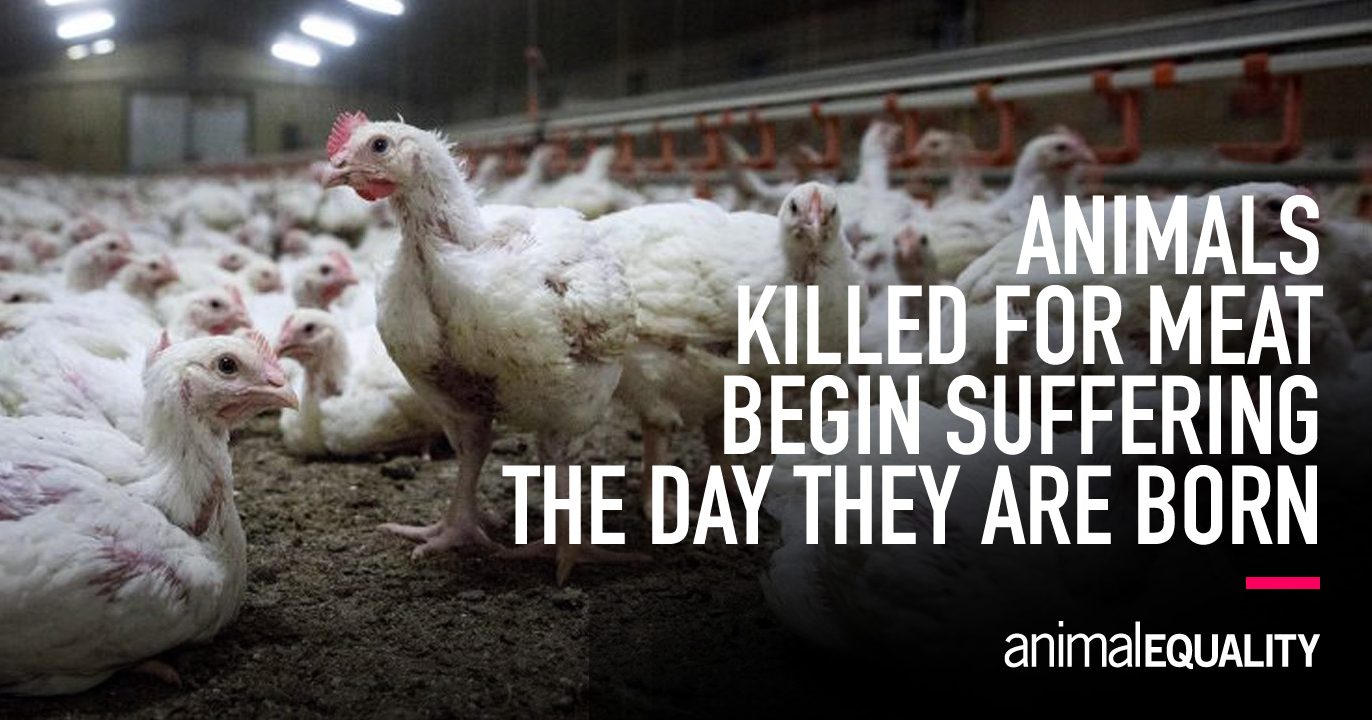
To begin with, it is crucial to recognize the glaring injustices prevalent in the meat industry. Animals are often subjected to inhumane conditions, experiencing physical confinement and emotional distress. Industrial farming practices have been condemned for their stark depersonalization of sentient beings, reducing them to mere commodities. The realities of factory farming – overcrowded pens, limited access to the outdoors, and the use of growth hormones and antibiotics – culminate in a veritable conundrum for potential and aspiring vegetarians and vegans. How can one reconcile the consumption of meat with the growing awareness of these atrocities?
At the heart of this issue lies a cognitive dissonance. Individuals often grapple with the dichotomy of their affection for animals and their dietary choices. This internal struggle can be understood through philosophical lenses, particularly utilitarianism, which posits that actions should promote the greatest good for the greatest number. While meat consumption may bring pleasure and satisfaction to some, it simultaneously inflicts suffering upon countless animals. Thus emerges a question: Can one justify personal gratification at the expense of another’s suffering?
Moreover, cultural and societal factors envelop this debate. In many traditions, meat is integral to communal gatherings and familial bonding, presenting an emotional dimension that complicates the moral landscape. For omnivores, the act of consuming meat may symbolize sustenance and comfort, woven into the very fabric of their upbringing. This cultural allegiance can generate resistance to change, as individuals may subconsciously prioritize familial and social norms over ethical considerations regarding animal welfare.
Yet, the discussion does not end with recognizing these complex emotions. The psychological intricacies of meat consumption present another layer. Many individuals exhibit a phenomenon known as “meat paradox,” where they simultaneously experience enjoyment from eating meat while recognizing the suffering involved. This contradiction can often lead to rationalizations, shielding the conscience from facing the moral implications of their choices. Such mental gymnastics are not merely personal failures; they reflect broader societal conditioning, where disconnectedness from the food source tempers empathy.
In contemplating whether one can be an advocate for animal rights while continuing to consume meat, it becomes essential to explore alternative forms of meat production. There is a growing movement towards humane and ethical farming practices that prioritize animal welfare, allowing them space to roam and engage in natural behaviors. By embracing these approaches, some individuals attempt to bridge the moral chasm between their advocacy and consumption. However, this raises further inquiries around sustainability, as such methods often require more land and resources, complicating the environmental narratives that accompany animal farming.
The environmental implications of meat consumption cannot be overstated. Intensive livestock farming significantly contributes to greenhouse gas emissions, perpetuating climate change and habitat destruction. The correlation between environmental degradation and animal agriculture presents yet another ethical dilemma for consumers. Can one advocate for animal rights while simultaneously supporting an industry that boosts carbon footprints? The intersections of ecological sustainability and animal welfare demand an honest reckoning, pushing for a paradigm shift in how we perceive and engage with our food systems.
Furthermore, the argument that meat provides essential nutrients raises critical discourse around dietary requirements. While proponents of meat consumption cite its nutritional benefits, such as protein and B vitamins, a wealth of research indicates that a well-planned plant-based diet can adequately meet these needs. In the face of evolving scientific consensus, individuals must weigh their dietary choices against the ethical implications of supporting an industry rife with cruelty and exploitation.
In alternative pathways towards vegetarianism or veganism, one finds not just a dietary change but also a profound journey of personal growth and ethical reevaluation. The exploration of conscious consumption and advocacy serves as a testament to one’s evolving ethics. Many advocates have discovered that reducing meat intake or adopting a plant-based diet correlates with heightened awareness and commitment to various social justice issues, including animal rights.
Ultimately, the discord between opposing animal cruelty and consuming meat is steeped in a rich cultural tradition, psychological complexities, and ethical quandaries. For some, it is possible to strike a balance by embracing humane farming practices or reducing meat consumption. However, the question remains: can one genuinely champion the eradication of animal suffering while still contributing to an industry that propagates it? The answer varies greatly among individuals and necessitates introspective examination and societal shift. The ongoing dialogue around this moral dilemma continues to challenge personal beliefs, urging the pursuit of a more compassionate and ethical future.