In the intricate tapestry of societal norms, the welfare of animals often drives impassioned debates and robust legal frameworks. As citizens ponder the ethical responsibilities owed to nonhuman beings, the law emerges as both a protector and a punitive force. Across the United States, animal cruelty laws vary significantly, shaping the consequences for those who inflict harm upon these voiceless creatures.
This blog post delves into the complex landscape of animal cruelty statutes across the fifty states, examining the spectrum of legal implications that come with these heinous acts. By the conclusion, you will not only comprehend the legal ramifications of animal cruelty but also appreciate how these laws reflect a broader conversation about morality, ethics, and humanity itself.
Understanding Animal Cruelty
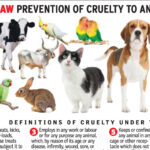
At the heart of this discourse lies the definition of animal cruelty, which can encompass a range of actions from neglect and abandonment to outright violence. Legal definitions vary from state to state, often categorized into two principal types: passive cruelty, involving neglect and inadequate care, and active cruelty, which may include abuse or intentional harm. This dichotomy is crucial as the legal consequences typically escalate in accordance with the severity and premeditation of the offense.
Federal vs. State Law: A Fragmented Landscape
The United States exhibits a fragmented approach to animal welfare laws. While there are federal statutes addressing animal cruelty, such as the Animal Welfare Act, which primarily protects animals used in research and entertainment, it remains insufficient in scope to cover all facets of animal rights. Consequently, state laws play an indispensable role in determining the extent of protection afforded to animals. This divergence creates a complex labyrinth wherein a single act of cruelty might yield vastly different repercussions depending on one’s jurisdiction.
State-Level Perspectives
To unravel this enigma, let us traverse state-by-state and glean insights into the legal framework governing animal cruelty. Each state’s laws reflect unique cultural attitudes toward animals, often resulting in variances that inform both penalties and enforcement.
California
California’s legislation stands as a formidable exemplar within the realm of animal rights. The state categorizes animal cruelty as a misdemeanor or felony, contingent on the degree of harm inflicted. California also mandates mandatory reporting for veterinarians who suspect animal cruelty, thereby integrating professional accountability into the legal fabric.
Texas
Contrarily, Texas recently revamped its animal cruelty laws, enhancing penalties for offenses to align with a more progressive stance on animal welfare. Under the Texas Penal Code, individuals may face felony charges for serious offenses, providing law enforcement and legal entities with the authority to intervene rigorously in cases of egregious cruelty.
Florida
Florida emphasizes the importance of humane education in mitigating cruelty. The state prohibits “intentional” acts of cruelty, with significant penalties imposed on repeat offenders. Furthermore, Florida’s legislation allows for “animal cruelty” to be prosecuted under various statutes, a multifaceted approach to combating harm against animals.
New York
New York’s Comprehensive Animal Welfare Law fortifies the pursuit of justice for animals, categorizing many forms of cruelty as Class A misdemeanors, and repeatedly charging individuals may result in felony charges. The enforcement of these laws underscores a collective ethos valuing protection and welfare of animals as sentient beings.
Pivotal Exceptions in Enforcement
While many states have embraced stringent laws, exceptions do exist, revealing unsettling aspects of animal punishment. For instance, certain cultural practices, such as those related to livestock management or hunting, can complicate enforcement. These exceptions frequently hinge on local customs and traditions, creating a precarious balance between cultural heritage and animal welfare.
Legal Consequences: An Overview
Legal consequences for animal cruelty can range from fines and mandatory classes to incarceration. In some states, felony charges may carry significant penalties, including prison sentences and the possibility of a criminal record that casts a long shadow over future endeavors. Repeat offenders may find themselves facing a cycle of punitive repercussions that intensify with each transgression.
Public Sentiment and Advocacy
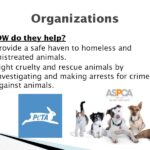
As public sentiment shifts increasingly toward a paradigm of empathetic understanding for animals, a growing cohort of advocates works tirelessly to reform oppressive laws and elevate consciousness about animal rights. Legislative initiatives are being pursued in various states, moving relentlessly toward stricter regulations and enhanced protections. This shift is not just a reflection of changing attitudes; it is a clarion call resonating across geographical boundaries, raising awareness about the complexities of animal welfare issues.
Education and Prevention: The Path Forward
To fundamentally shift the landscape of animal cruelty laws, education becomes paramount. Communities must cultivate awareness that extends beyond mere legal compliance; it should foster compassion and responsibility toward sentient beings. Schools, organizations, and individuals can collaborate to create programs emphasizing humane treatment, prevention, and legal ramifications of cruelty. By instilling these values at an early age, society can gradually reshape its collective consciousness about the ethical obligations toward animals.
Conclusion: The Ethical Dimension
The inquiry into whether one can go to jail for animal cruelty ultimately unveils profound moral questions surrounding our duties toward those who cannot speak for themselves. That laws exist across various states illustrates a recognition of these responsibilities, although the divergence in their severity and application often elicits frustration. As society progresses and collective awareness increases, the hope remains that legal frameworks will evolve to reflect an enduring commitment to the protection and welfare of animals. Through education, advocacy, and legislation, we can aspire to create a future where cruelty becomes an anachronism, relegated to history rather than practiced in the present.