In contemporary society, the debate surrounding the ethical implications of zoos continues to foster impassioned discourse. On one hand, they serve as centers for education and conservation; on the other, they raise poignant questions about the confines of captivity and the welfare of the animals housed within. As we delve into the examination of zoos, we observe the intricate dynamics of human fascination with wildlife juxtaposed against the stark realities of animal suffering.
Traditionally, the concept of a zoo generates images of majestic creatures—lions basking in the sun, elephants trumpeting heartily, and vibrant birds flitting about in their enclosures. These arenas provide a semblance of intimacy with nature, granting human beings an opportunity to witness the splendor of the animal kingdom that they might never encounter in the wild. This sort of access undeniably ignites curiosity, nurturing an understanding of biodiversity and fostering a potential sentiment for conservation efforts.
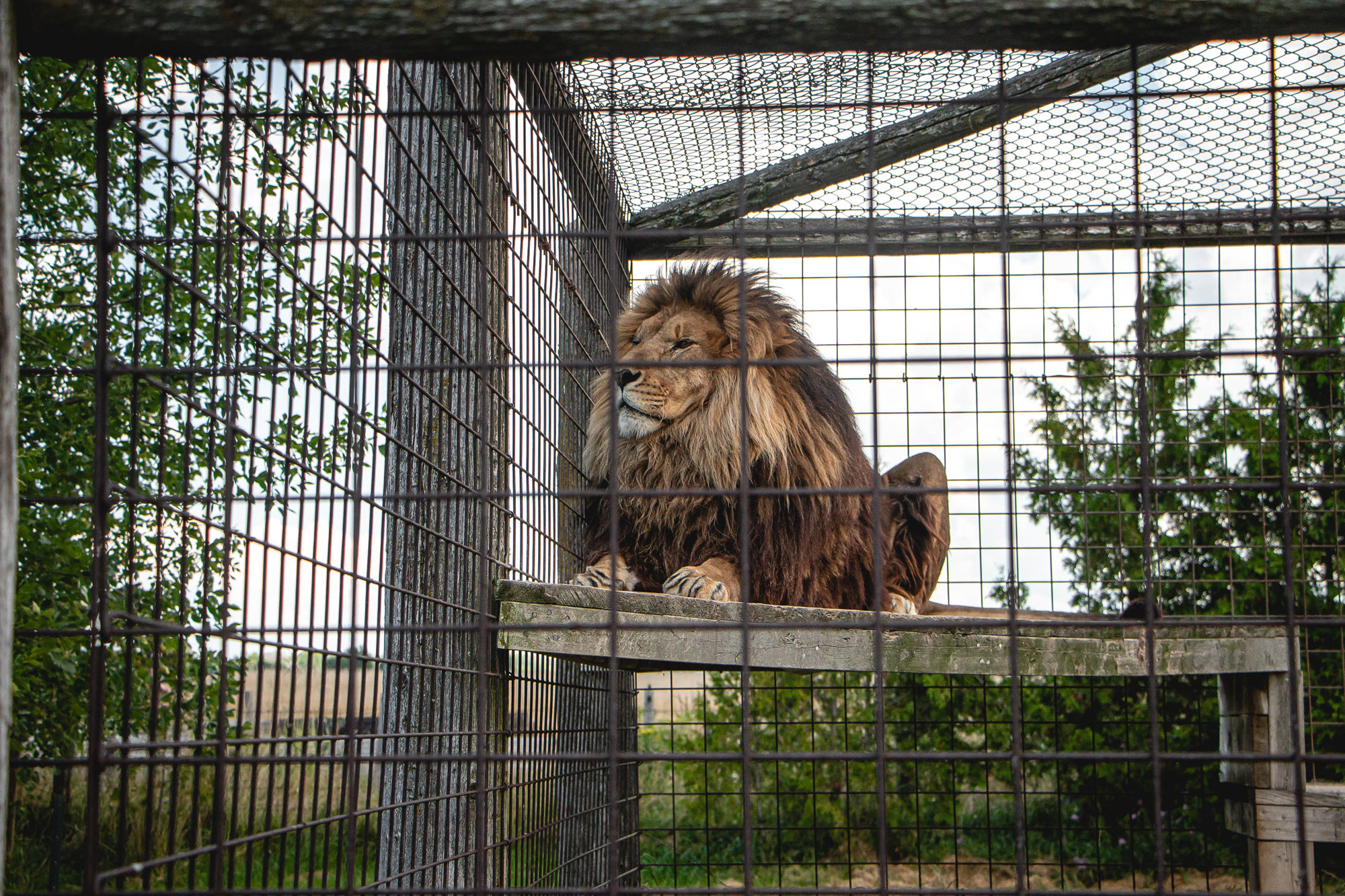
However, the idyllic façade belies deeper issues regarding the welfare of these animals. The premise of keeping wild animals confined to enclosures provokes scrutiny that cannot be easily dismissed. Criticism arises from the substantial difference between an animal’s natural habitat and artificial enclosures designed for human viewing. Psychological manifestations of stress, repetitive behaviors typical of captivity, and health complications derived from confinement have been documented extensively. For instance, lions roaming vast African savannahs may find their spirits stifled within the confines of a zoo. It raises the inquiry: at what cost does our fascination with these creatures persist?
Many proponents of zoos argue that they are integral to wildlife conservation, asserting that captive breeding programs serve to resurrect endangered species. While there is merit to this claim, it is vital to evaluate the efficacy and ethical responsibilities borne by such institutions. One cannot overlook incidents where the emphasis on public entertainment eclipses conservation goals, resulting in an experience that prioritizes human enjoyment over animal welfare. This brings forth a disconcerting reality: are zoos genuinely contributing to the survival of species, or are they merely perpetuating a cycle where animal commodification thrives?
Moreover, the educational aspect touted by zoos merits closer inspection. Education may indeed transpire within these walls; however, is it an education that fosters genuine concern or one that ultimately sensationalizes the animals’ plight? People often emerge from a zoo experience captivated by the aesthetic allure of the animals. Yet, the sheer reality of their incarceration and the driving forces of extinction risks may not fully resonate with all. A prime example is the phenomenon of ‘cute aggression’—the impulse to want to squeeze or touch adorable animals—which can lead to a misunderstanding of wildlife’s complexity and intrinsic needs.
The ethical paradox within zoos insinuates a more profound inquiry into the human-animal relationship. This dynamic is not merely one of observance but involves a critical examination of our responsibility toward the beings we choose to incarcerate. Even in cases where animals appear to lead comfortable lives within captivity, the underlying question remains: do we, as ethical custodians, have the authority to dictate the parameters of their existence? Each animal possesses unique behavioral, social, and environmental requirements that zoos, despite their best intentions, may struggle to adequately fulfill.
This inquiry prompts a larger discourse about alternatives to traditional zoos. Innovative models such as wildlife sanctuaries and rescue organizations strive to offer environments that prioritize animal autonomy. These establishments champion rehabilitation and provide refuge for those that have faced trauma—be it from the pet trade, poaching, or other forms of exploitation. A sanctuary allows the contribution of positive ecological education devoid of the underlying motives of spectacle and profit that characterize traditional zoos.
The role of technology in wildlife conservation cannot be overstated. Digital platforms now provide a window into the world of animals through live stream cameras in their natural habitats. Virtual reality experiences immerse users in the lives of these creatures without subjecting them to captivity. Such advancements tackle the crux of curiosity—an earnest desire to learn—and deliver it in a manner that respects the autonomy and dignity of wildlife. As awareness flourishes and society begins to embrace these innovative alternatives, the relevance and moral justification of zoos will inevitably be scrutinized anew.
It is essential to grapple with the complexity of this topic and recognize that not all zoos operate under the same ethical framework. Some leading institutions have made substantial strides toward enhancing the welfare of their inhabitants, forging partnerships with conservation organizations, and engaging in global efforts to safeguard endangered species. Yet, the overarching concern remains that the zoo paradigm, as traditionally conceived, often falls short of truly addressing the ethical implications of keeping wild animals in captivity.
In conclusion, while many argue that zoos hold educational and conservation benefits, it is crucial to approach this issue with a discerning perspective. The quest for genuine animal welfare demands critical dialogue that weighs the virtues of education and conservation against the underlying moral obligations we possess toward sentient beings. Ultimately, the challenge lies in fostering a broader understanding of animal rights while respecting the intricate ecosystems that deserve protection beyond the confines of a zoo.