In a world where the complexities of human existence harbor both enlightenment and ignorance, a disconcerting paradox emerges: the prevalence of animal cruelty often exists under the veneer of cultural norms. Many individuals, reveling in the comfort of their modern lives, overlook the silent suffering endured by the voiceless inhabitants of our ecosystem. The chasm between tradition and modernity creates a milieu ripe with ambivalence, where our customs sometimes clash painfully with the advocacy for compassion and ethical treatment of all sentient beings.
As we trudge through the intricacies of our daily lives, we often become enthralled by the shimmering allure of progress and technology. We sit in our homes, cocooned in a blanket of consumerism, contributing to a cavalcade of industries that can, unwittingly, engage in egregious acts of animal cruelty. The harsh reality is that our culinary choices, fashion trends, and entertainment endeavors frequently perpetrate violence against the innocuous beings with whom we share this planet.
The metaphorical tree of knowledge, laden with fruits of wisdom and insight, may also bear bitter fruit—places where tradition, wrapped in nostalgia, overrides ethical considerations. Cultural practices like bullfighting, dog fighting, and even the hunting of specific species, while celebrated by some as age-old customs, reveal a troubling cultural blind spot. These rituals present themselves as vibrant expressions of heritage; yet, lurking beneath the surface is a persistent cycle of anguish and suffering for the animals involved.
The cognitive dissonance surrounding animal welfare ignites a question: Are we, as a society, so entrenched in our cultural narratives that we have become oblivious to the ramifications of our actions? It is exasperating to ponder how deeply ingrained ideologies can distort our moral compass. This insidious ignorance is not limited to practices rooted in tradition; it seeps insidiously into ostensibly benign lifestyle choices, where a cavalcade of cruelty masquerades as convenience.
Take, for instance, the food industry. The modern consumer, enchanted by the allure of convenience, often overlooks the harrowing journeys endured by livestock destined for slaughter. From factory farms riddled with inhumane conditions to the processing plants echoing with the cries of animals being stripped of their lives, the stark reality often fades away into the background noise of daily existence. This obscurity protects our complacency while perpetuating a cycle of stark indifference.
Moreover, our incessant demand for animal-derived products lays bare the contradictions at play. While we passionately rescue and advocate for stray animals, our purchasing power contradicts those very sentiments. Labeling has evolved, and slogans adorning packaging seductively assure us of ‘humane’ practices, yet the definitions of these terms are often nebulous and insufficient. The emotional gulf separates our aspirations for a compassionate world from the stark realities of production, creating a schism in our ethical frameworks.
Modern society has forged an identity steeped in anthropocentrism—prioritizing human welfare while sweeping the needs of non-human beings under a thick rug of oblivion. The implications are profound when one considers the long-held belief that humans are superior to all forms of life, a philosophy that casts a pall of moral justification over cruelty. This duality, where compassion is selectively distributed, often leads many to adopt a paternalistic perspective towards animals. This inherent disconnect poses the question: Are we truly as enlightened as we believe?
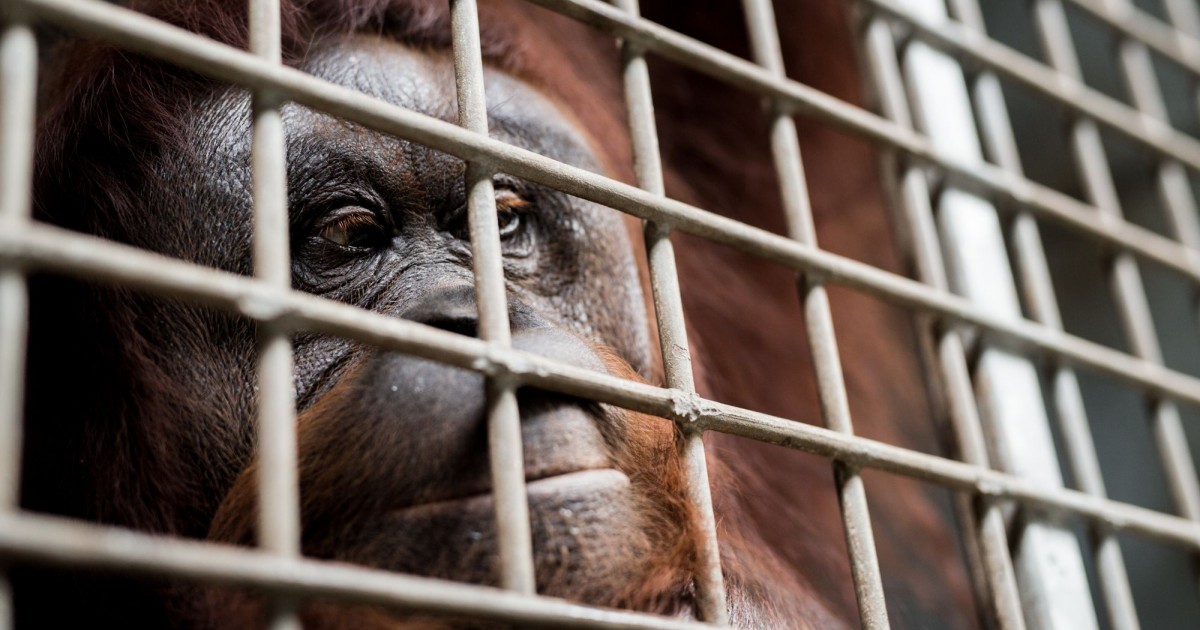
Envision the world through the eyes of an animal subjected to experimentation or confinement. The stark dissimilarity between our cognizance and their existence is illustrative of our profound blindness. While we bask in our autonomy, they linger in the shadows of despair. This vivid imagery serves to confront the unsettling truth: the boundaries of our empathy might extend only as far as our comfort. Those who dare to dig deeper into this discomfort are met with a wealth of knowledge that runs against the grain of contemporary complacency.
Education emerges as a pivotal tool in breaking down barriers. Awareness campaigns shed light on agonizing truths yet often falter in engaging broader audiences. The challenge lies in weaving compelling narratives that move beyond statistics that numb the senses. Integrating stories that evoke empathy can bridge the chasm between awareness and action, propelling individuals from passive observers to passionate advocates.
Ultimately, confronting the challenges linked to animal cruelty requires a collective reevaluation of our values—an introspective journey to align our practices with our beliefs. It beckons us to dismantle the deeply-rooted structures that enable these cultural blind spots. We must foster dialogues that challenge long-standing paradigms, inviting us to redefine traditions that don’t serve the principles of compassion and empathy.
In an era characterized by rapid advancements, modernity should embrace a conscientious evolution in how we relate to the animal kingdom. By interrogating the foundations of cultural practices, we can unearth the latent potential for profound change. Only when we acknowledge the plight of our fellow beings can we begin to forge a path towards a harmonious coexistence—one that encompasses respect, kinship, and, above all, love for all creatures who breathe life alongside us.
We stand at the brink of transformation, armed with knowledge and deftly wielding the power of compassion. It is incumbent upon society as a whole to foster a paradigm shift—an awakening that recognizes animals not merely as resources or objects but as cohabitants deserving of dignity and respect. As the echoes of modernity reverberate through the corridors of change, let us not remain oblivious, but rather illuminate the path toward a more humane future.